
The Pupmeister Way: Kind, Fair and Fear-Free Training
Good training should feel good — for both ends of the lead. The Pupmeister Way blends science with empathy to create calm, confident dogs through clarity, trust, and kindness.
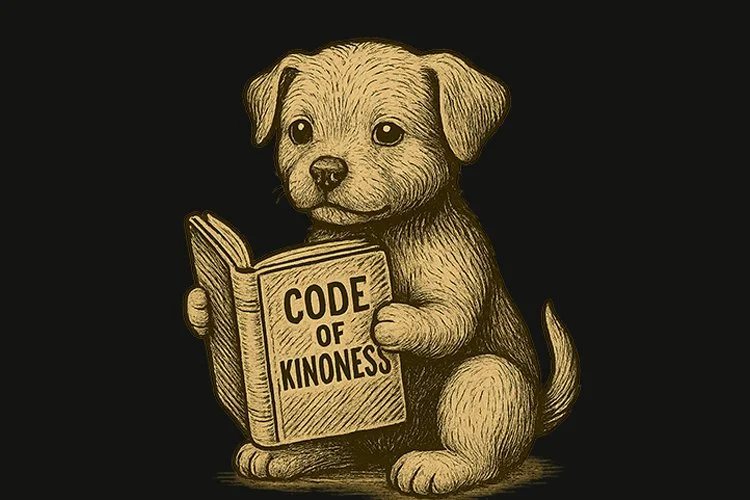
Kindness, fairness, and trust aren’t just nice ideas — they’re the foundation of effective dog training. Dogs learn best when they feel safe and understood, so I use methods that are gentle, reward-based, and grounded in behavioural science.
My work follows the professional standards set by the Professional Association of Canine Trainers (PACT) and the Animal Behaviour & Training Council (ABTC). Both organisations define what ethical, welfare-based training should look like: humane, evidence-led, and free from fear or force. Their codes of conduct guide not just what I do in each session, but the principles that shape every interaction with both dogs and their guardians.
How I Work
As a trainer, I make these promises:
I use kind, reward-based methods that encourage dogs to make good choices.
I never use tools or techniques designed to cause pain or fear — including choke, prong or shock collars, spray devices, shouting or rough handling.
I treat both dogs and people with patience and respect.
I keep my skills and knowledge up to date through ongoing, science-based learning.
I always put the welfare and safety of every dog first.
These are not just my personal values — they’re professional obligations under the PACT and ABTC Codes of Conduct, both of which promote humane, evidence-based methods and prohibit coercion or intimidation in any form.
Supporting frameworks such as DEFRA’s Code of Practice for the Welfare of Dogs and the LIFE model (Least Inhibitive, Functionally Effective, Fernandez, 2024) reinforce these principles — emphasising choice, emotional safety, and effective learning through kindness.
Reward-Based Training in Practice
Reward-based training helps dogs understand what we want from them. By reinforcing good behaviour with food, play, or praise, dogs learn faster, gain confidence, and enjoy the process.
If a dog jumps up to greet someone, I’ll teach them that sitting calmly earns the attention they’re looking for. The dog still gets what they want — connection — but learns to earn it calmly and confidently, without the frustration or mixed signals that punishment can cause.
This approach to training builds trust, strengthens relationships, and is backed by modern welfare guidance and behavioural science showing that animals learn best through clarity and kindness.
My Professional Commitment
I always make sure clients understand how and why I train the way I do, so the process is open and collaborative. I keep client and dog information private and stored securely, and I hold professional insurance in line with ABTC requirements. I am honest about what training can achieve and never make promises that can’t be kept.
I work within my level of qualification and experience, and if a case involves complex behavioural issues beyond my scope, I refer to a qualified behaviourist.
I represent PACT and the training profession with professionalism and respect at all times, both in person and online, and I aim to uphold the high standards expected of an ethical, science-based trainer.