
Breed-specific training tips
Different breeds were bred for different jobs, and those genetic blueprints still shape behaviour today. This page breaks down the ten breeds I see most often in Brighton (which also happen to be the most popular breeds in the UK) - what they were bred for, how that affects training, and what challenges to expect.
It's not exhaustive. The dog world is too diverse to cover properly on one page. These are just the breeds that come up most frequently in my work. If yours isn't here and you'd like the same breakdown for your specific breed, get in touch and I'll talk you through it.
Brighton's Top 10 Dog Breeds
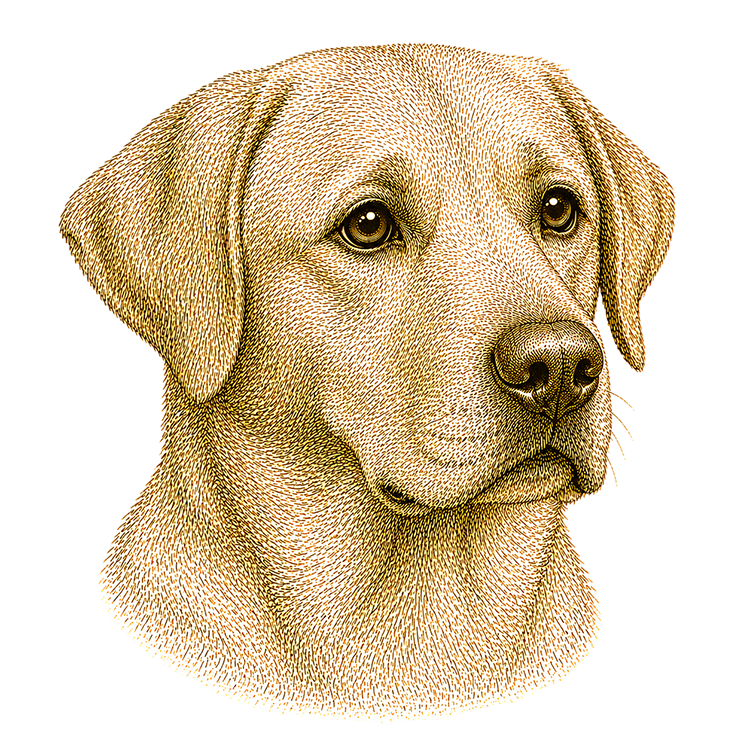
Labrador Retriever
-
Bred in Newfoundland for water retrieving - bringing nets to fishermen, retrieving waterfowl for hunters. That created dogs hardwired to carry objects constantly, swim obsessively, and work enthusiastically for food rewards.
Two distinct lines exist: show-bred (stockier, calmer) and working-bred (leaner, higher drive). Understanding which lineage your Lab comes from matters enormously for exercise and training needs.
Their famous food motivation is genetic (POMC gene), not greed.
Built for endurance work - swimming, retrieving, proper running - not gentle strolls. Eagerness to please makes them genuinely biddable when properly exercised and mentally engaged. -
Labs are highly trainable thanks to food-motivation and genuine eagerness to please. But trainable doesn't mean easy. Common challenges include:
Adolescence (six to eighteen months): Selective hearing on recall, jumping up with enough force to knock people over, serious lead pulling once they build muscle, relentless counter-surfing, and destructive chewing when bored.
Food theft: Management matters more than correction. Don't leave food within reach. Teach solid impulse control from puppyhood using food-based games.
Exercise requirements: Under-exercised Labs become destructive Labs. Minimum one hour daily with proper running or swimming. Working-bred lines need significantly more - sometimes two to three hours with mental work included. Retrieving games, swimming, and scent work turn exercise into training.
Weight management: Labs gain weight easily and carry it badly. Obesity creates joint problems, shortens lifespan, and makes training harder.
My approach: Foundation training during eight to twenty weeks prevents most problems before they develop. I teach impulse control through play-based games, loose-lead walking before they're strong enough to pull you over, and recall using their natural retrieving drive. For teenage Labs showing regression, my Terrible Teens programme addresses jumping, pulling, and arousal management.
Read the complete Labrador Retriever Training & Temperament guide hereOr, book a free fifteen-minute call to discuss your Lab's specific challenges.
-
Seafront / Promenade - food everywhere - just ask the seagulls! If leave it isn’t solid, the walk turns into constant management.
Hove Lawns - much better than the beach for fetch. Flat ground, less strain on joints, same enjoyment.
South Downs - scent trails and long grass make it easy for young Labs to drift further than expected. Keeping dogs close here avoids problems, and always on-lead around livestock
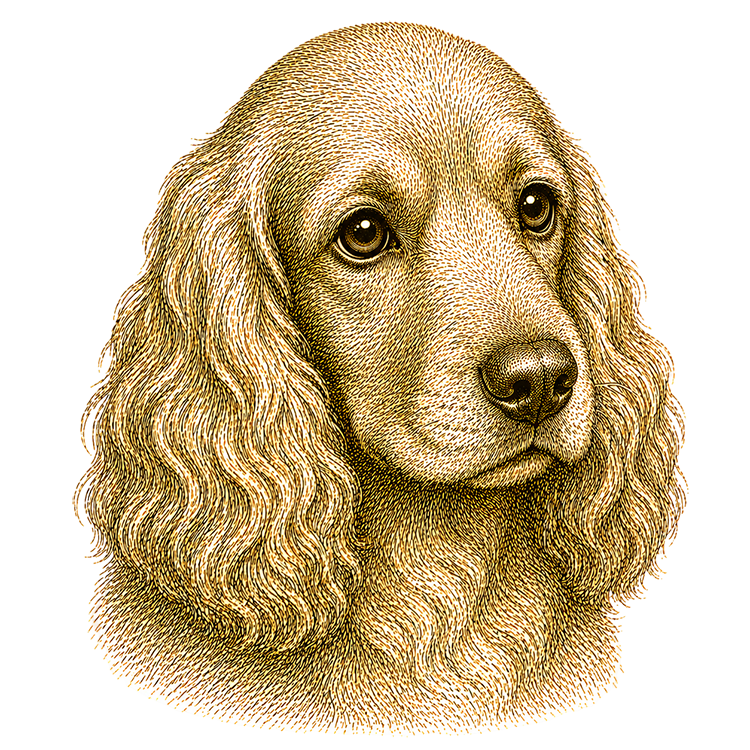
Cocker Spaniel
-
Bred to hunt woodcock independently through dense cover, making decisions without handler input. Their smaller size was engineered for tight hedgerows where larger spaniels couldn't reach.
Two distinct types exist: show-bred (stockier, calmer, bred for appearance) and working-bred (leaner, higher drive, incredible stamina). This split matters enormously - a working Cocker from field trial lines is a different proposition entirely from show-bred companions.
Both carry the genetic blueprint for independent hunting: relentless stamina, strong scent drive, stubbornness, and high food motivation.
-
Smart enough to learn anything; independent enough to pretend they’ve never heard it when a scent trail cuts across their brain. That’s the Cocker paradox.
Common challenges include:
Separation anxiety: Very common. They bond fast, stick close, and struggle if left too early or too suddenly. A gradual independence plan from day one is essential, and three to six months is a realistic window for most families.
Adolescence (six to eighteen months): Selective hearing on recall when scent becomes interesting. Demand barking for attention. Jumping up with surprising bounce. Resource guarding around food, toys, or sleeping spots requiring management rather than confrontation.
Exercise requirements: Working-bred lines need 2-3 hours combined exercise & mental work daily. Show-bred lines need 1-2 hours plus some enrichment. Under-exercised Cockers become destructive, vocal, and difficult to live with. Scent games, retrieving, and puzzle toys channel their hunting drive productively.Coat maintenance: Daily brushing essential. Professional grooming every six to eight weeks (£40-60). Ear cleaning to prevent infections.
My approach: Foundation training during eight to twenty weeks prevents separation anxiety and resource guarding before they develop. I use their independent nature through play-based scent work and retrieving games that feel like hunting to them. For teenage Cockers showing regression, my Terrible Teens programme addresses recall, arousal management, and impulse control.
Read the complete Cocker Spaniel Training & Temperament guide hereOr, book a free fifteen-minute call to discuss your Cocker's specific challenges.
-
Stanmer Park woods - once they’re in there, instinct takes over. Recall needs proper proofing.
Withdean Park edges - once you’re near the trees and undergrowth, attention drops off much faster than on the open grass.
Seafront walks - salt and grit get into ears fast, so aftercare matters.
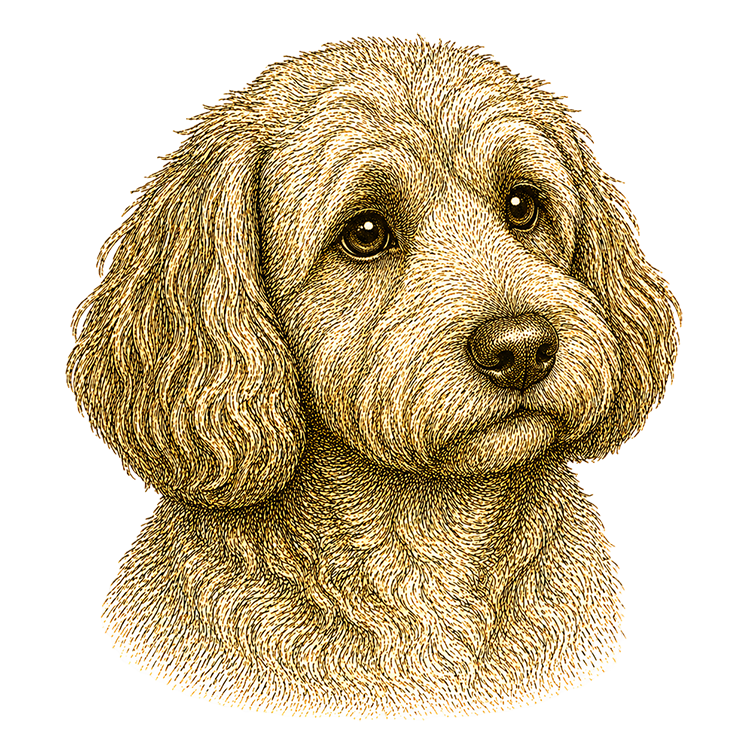
Cockapoo
-
The original "designer dog" from 1950s America, combining Cocker Spaniel temperament with the Poodle's intelligence and lower-shedding coat. Both parent breeds are working gundogs - Cockers hunted independently, Poodles retrieved waterfowl.
Not Kennel Club recognised but among the most popular dogs in the UK. Enormous variation exists: F1 (first-generation Cocker × Poodle), F2 (Cockapoo × Cockapoo), and multigeneration lines, plus American versus English Cocker parentage and Toy, Miniature or Standard Poodle size.
You're not buying predictable breed characteristics - you're combining two intelligent working breeds with moderate to high energy and strong people-focus. Coat type and shedding level can’t be guaranteed.
Research breeders thoroughly: some prioritise health testing and temperament, others exploit demand with little welfare regard. Poor breeding is linked to higher rates of anxiety, reactivity and over-arousal in this cross.
-
Two intelligent working breeds crossed together creates a clever dog needing skilled handling. The biggest challenge isn't ability - it's owner expectations. Common challenges include:
Separation anxiety: A very common Cockapoo issue, but not universal. Prevention must start from day one. These dogs were developed as companion mixes and many struggle when left alone too early. Expect three to six months' commitment minimum.
Adolescence (six to eighteen months): Sudden recall failure despite earlier success. Resource guarding can emerge or intensify around toys, food, or people, especially in certain lines. Demand barking becomes persistent. Jumping up with springy enthusiasm.
Exercise needs wildly underestimated: Working Cocker parentage dramatically increases requirements. "Designer dog" marketing implies lap dog reality. Most need 1-2 hours daily minimum with mental work included, and some high-drive lines need more. Scent games, retrieving, and interactive play tap into both parent breeds' working heritage.
Coat maintenance is a second job: Daily brushing non-negotiable. Professional grooming every six to eight weeks (£40-60). Matting happens quickly and painfully.
My approach: Separation training begins day one - not week three when problems emerge. Foundation training during eight to twenty weeks significantly reduces the risk of resource guarding and builds independence through play-based learning that engages their clever, food-motivated brains.
For teenage Cockapoos, my Terrible Teens programme addresses recall regression and arousal management
Read the complete Cockapoo training & temperament guide here
Or, book a free fifteen-minute call to discuss whether a Cockapoo suits your lifestyle honestly, including health realities. -
The Level - traffic, people, skaters and pigeons push excitement up very quickly. Not great for training!
St Ann’s Well Gardens - calmer and more predictable, better for lead work.
Sheepcote Valley - long grass brings out the spaniel side. Long line helps until recall’s reliable.
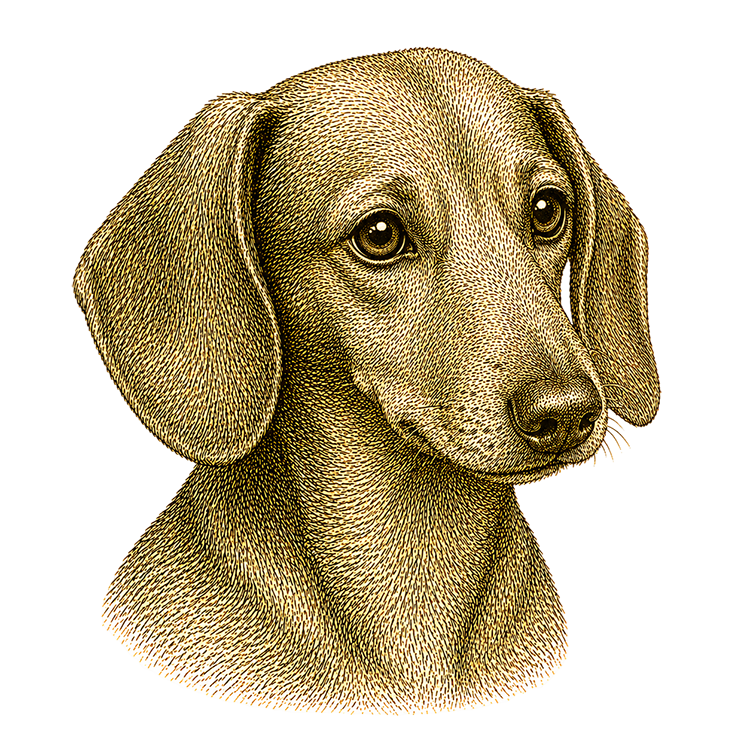
Miniature Dachshund
-
Bred in Germany for hunting badgers underground — the name literally translates as "badger dog" (Dachs = badger, Hund = dog). That required dogs small enough to enter badger setts, brave enough to confront dangerous prey in confined darkness, and independent enough to make life-or-death decisions without handler input.
(Note: Standard Dachshunds were originally the primary badger hunters; Miniatures were later refined for smaller quarry such as rabbits. But the behavioural heritage still applies.)Three coat varieties exist: smooth (short, sleek), long-haired (soft, requires more grooming), and wire-haired (harsh coat, often more terrier-like temperament). Coat type doesn't fundamentally change the Dachshund personality — all were bred for the same underground hunting work, though wire-hairs may have slightly stronger terrier influence from historical crosses.
Their elongated spine and short legs were engineered for underground pursuit, but create serious health vulnerabilities. IVDD (intervertebral disc disease) affects around 20–25% of Dachshunds — the breed pays a heavy price for its distinctive shape. Stairs, jumping on/off furniture, and obesity dramatically increase risk.
Built for independent decision-making, not obedience. They're intelligent problem-solvers who need convincing reasons to cooperate — biddability was never part of the breeding plan.
-
Training tips:
Independent, clever, and selectively deaf when something more interesting appears. That's not defiance - it's genetics. They were bred to ignore their handlers and pursue prey independently.
Adolescence (six to eighteen months): Recall becomes completely optional when scent trails appear. Barking intensifies - at doorbells, passing dogs, leaves moving. Resource guarding around food, toys, beds, or people can emerge or worsen. Reactivity towards other dogs may develop without careful socialisation.
House training challenges: Often slower than other breeds. Small bladders, independent temperament, and low-to-ground anatomy in wet weather all contribute. Consistency and patience essential - expect three to six months, sometimes longer.
Exercise requirements: Widely underestimated because of their size. They need 45 minutes to an hour daily, split into shorter sessions. Scent work and digging games channel their hunting drive productively. Under-exercised Dachshunds become destructive, vocal, and difficult.
Back health management: IVDD prevention benefits from some simple lifestyle adjustments. Minimising jumping on and off furniture (or using ramps), keeping your dog at a healthy weight, and avoiding frequent stair use can all help reduce strain on the back. A well-fitted harness is generally recommended over a collar for day-to-day walks. These changes support long-term spinal health and comfort.
Separation anxiety: Not breed-defining but relatively common, particularly in dogs who've been over-handled or carried constantly as puppies. Independence training from day one prevents velcro dog syndrome developing.
Socialisation critical: Without early, positive exposure to dogs and strangers, Dachshunds can become reactive, defensive, or aggressive. Their small size and big personality create dogs who'll challenge much larger opponents.
My approach: Foundation training during eight to twenty weeks significantly reduces the risk of resource guarding, reactivity, and separation anxiety before they establish. I use their food motivation and prey drive through play-based scent games that feel like hunting to them. For teenage Dachshunds showing regression, my Terrible Teens programme addresses recall, impulse control, and arousal management.
Read the complete Miniature Dachshund Training & Temperament guide here
Or, Book a free fifteen-minute call to discuss your Dachshund's specific challenges and IVDD prevention realistically. -
Marine Parade steps - a lot of height for a long-backed dog. Pausing and lifting here avoids unnecessary jumping.
The Lanes (busy times) - narrow pavements and close foot traffic can make small dogs barky, simply because it’s all happening at their level.
Adelaide Crescent Gardens, Hove - quieter than most parks at certain times of day, which really helps avoid reactivity building.
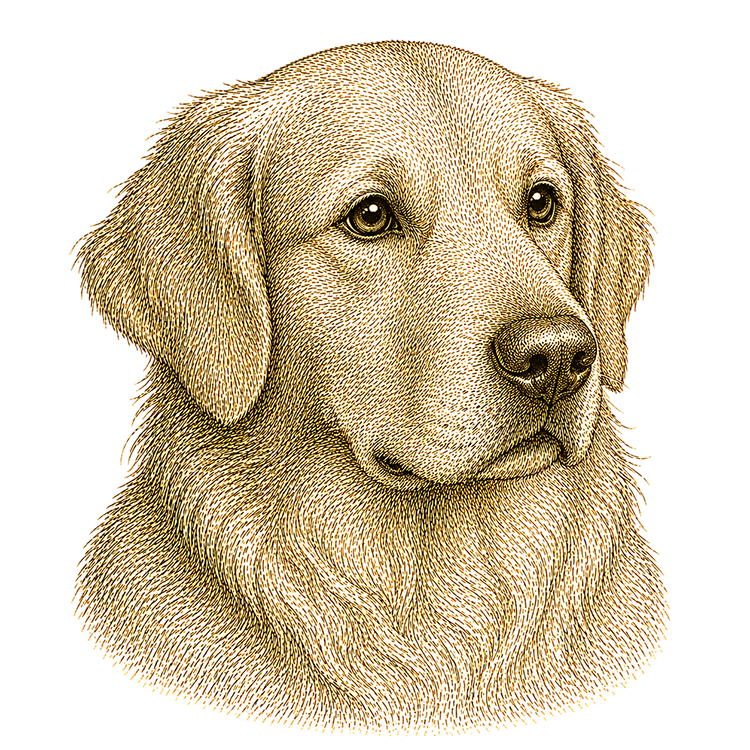
Golden Retriever
-
Bred in the Scottish Highlands during the 1860s for retrieving game - particularly waterfowl - across difficult terrain and water. Lord Tweedmouth wanted dogs combining soft-mouthed retrieval with stamina, biddability, and gentle temperament for working alongside shooting parties.
Two distinct lines exist: show-bred (stockier, often paler coat, generally calmer energy) and working-bred (leaner, usually darker gold, higher drive and stamina). Understanding which lineage your Golden comes from matters significantly for exercise requirements and training approach.
Softer temperament than Labs generally - more sensitive to correction, slower to mature (full adulthood often not until three years), and deeply people-focused. Their gentle nature makes harsh training methods particularly damaging.
Built for steady work rather than explosive sprinting, but still require proper exercise and mental engagement. -
Sweet-natured and eager to please, but that softness requires skilled handling. Adolescence hits hard and lasts longer than many owners expect.
Adolescence (six to eighteen months, often extending to two years): Selective hearing on recall. Jumping up with genuine enthusiasm - they're strong dogs who don't realise their size. Persistent mouthing and carrying objects constantly. Serious lead pulling once muscle develops. Counter-surfing.
Separation anxiety: Relatively common, though not universal. Goldens bond intensely and many struggle when left alone too early. Prevention must start day one with gradual independence training - expect three to six months' commitment minimum for most dogs.
Exercise requirements: Working-bred lines need 1.5–2 hours daily with mental work included. Show-bred lines need 1–1.5 hours minimum. Under-exercised Goldens become mouthy, jumpy, and destructive. Swimming, retrieving games, and scent work tap into their breeding purpose productively.
Grooming: Daily brushing essential - they shed heavily year-round with seasonal blowouts. Professional grooming helps but home maintenance is unavoidable. Ear cleaning to prevent infections.
Sensitive nature: Harsh corrections damage the relationship and training progress. Positive reinforcement works exceptionally well with this breed when patience is applied consistently.
My approach: Foundation training during eight to twenty weeks significantly reduces the risk of separation anxiety, jumping, and mouthing before they become established patterns. I use their natural retrieving drive and food motivation through play-based learning that builds confidence alongside skills.
For teenage Goldens showing regression, my Terrible Teens programme addresses recall, arousal management, and impulse control.
Read the complete Golden Retriever training & temperament guide here
Or, book a free fifteen-minute call to discuss whether a Golden Retriever suits your lifestyle honestly, including health realities. -
Withdean Puppy Park - properly enclosed and ideal for young Goldens to run without constant calling back. Much lower pressure than open parks.
Stanmer Park open fields - good space for steady off-lead movement once recall is reliable, without the edge of traffic.
Preston Park outer routes - useful for longer, flowing walks rather than stop-start socialising.
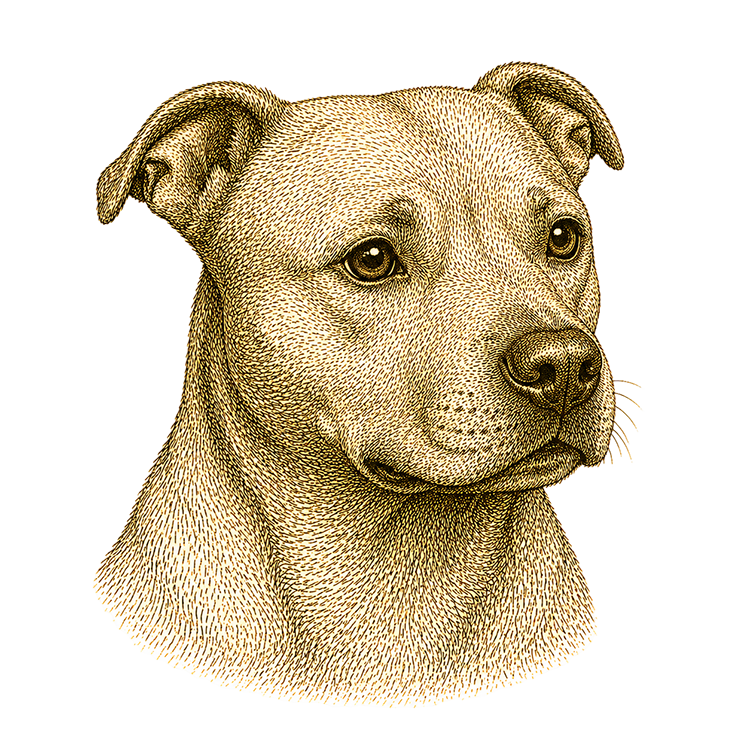
Staffordshire Bull Terrier
-
Bred in England during the early 19th century for bull-baiting and later dog fighting, Staffies were originally developed for strength, tenacity, and courage. The often-repeated “nanny dog” label is a modern myth, but their gentle, people-oriented nature does have roots in history.
Crucially, human aggression was actively selected against. Handlers needed to be able to work safely around these dogs, so any dog showing aggression toward people was removed from breeding. This is why modern Staffies are famously affectionate, people-loving companions. Like many terrier-type breeds, they can carry a genetic leaning toward dog-directed tension, but with good breeding, early socialisation, and thoughtful training, many live happily with other dogs.
Stocky, muscular, deceptively powerful, and determined, they can be a handful during adolescence if owners aren’t prepared. But with the right guidance, their eagerness to engage with people becomes a genuine strength in training.
In some countries they fall under breed-specific legislation, despite being legal and very popular in the UK. Understanding their history helps set realistic expectations, but it shouldn’t overshadow the fact that well-raised Staffies are loyal, affectionate, and deeply rewarding family dogs. Proper training and socialisation don’t just “manage” potential challenges - they allow everything that’s wonderful about the breed to shine.
-
Training tips:
Staffies are bright, affectionate, and incredibly motivated by human connection. This makes them trainable and eager to learn when methods are positive and consistent. They respond beautifully to play-based training and clear boundaries.Adolescence (six to eighteen months):
Stronger pulling as muscle develops, exuberant jumping up, and a temporary dip in recall. Some dogs may show increased sensitivity or over-arousal during play. With structured training and outlets for energy, most of this settles smoothly.Separation anxiety:
Fairly common because Staffies bond so deeply. Prevention from day one - short absences, independence games, and predictable routines - goes a long way. Many Staffies cope well when gradually taught the skill.Dog reactivity:
Not universal. Some Staffies are completely sociable; others need more management, particularly around same-sex dogs. Early, positive socialisation reduces risk and helps build calm, appropriate behaviour. Genetics play a role, but training has a strong influence.Exercise requirements:
Typically 1–2 hours daily, including proper physical activity and mental engagement. Tug, sniffing games, recall training, flirt pole work, and structured play help meet their needs and prevent frustration.Strength management:
Loose-lead walking and impulse control are essential early on. Their power is part of the breed’s charm, but teaching controlled behaviour while they’re young prevents problems later.Socialisation critical:
Positive introductions to dogs, people, and environments from 8–16 weeks build a confident, friendly adult. Socialisation doesn’t override genetics, but it dramatically improves outcomes and prevents fear-based behaviours.Public perception:
Staffies face unfair stereotypes due to media portrayal and historical misunderstanding. A well-trained, well-socialised Staffie challenges those assumptions instantly - they often win people over with their warmth and enthusiasm.My approach:
Foundation training during eight to twenty weeks builds impulse control, confidence, and healthy independence. I use their natural people-focus and play drive through tug games, food rewards, and clear structure.
For teenage Staffies, my Terrible Teens programme supports recall, loose-lead skills, and calm behaviour around dogs.Read the complete Staffordshire Bull Terrier Training & Temperament guide here
Or book a free fifteen-minute call to discuss your Staffie’s specific challenges and strengths. -
The copse by Hove Park - brilliant for sniffing and searching with very few other dogs around. Good way to burn energy without winding them up.
Brighton seafront - great if they’re happy in the water, but worth keeping an eye on stone-grabbing and risk of chipped teeth on the shingle.
St Ann’s Well Gardens - useful for calm exposure to people without constant greetings.
The Lanes - can be tricky because they want to say hello to everyone!
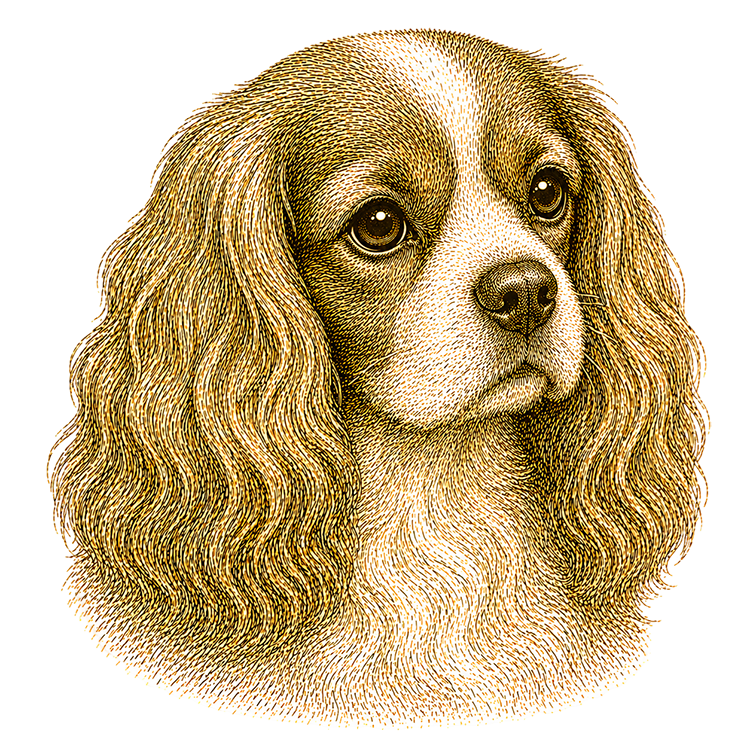
-
Bred purely as companion dogs for British nobility and royalty, particularly King Charles II in the 1600s who was famously obsessed with them. No working function whatsoever - they were designed to sit on laps, provide companionship, and look decorative.
The modern Cavalier was recreated in the 1920s by breeding back from the King Charles Spaniel (a separate, flatter-faced breed) toward the longer-nosed spaniels seen in historical paintings. That breeding programme still prioritised appearance - large, prominent eyes, a relatively small skull, and a very specific "cute" look - which created profound health consequences.
Two inherited conditions are important for Cavalier owners to be aware of: syringomyelia (SM), which can cause neurological discomfort, and mitral valve disease (MVD), a heart condition that many Cavaliers develop as they get older. These issues are relatively common in the breed, so choosing a responsible breeder who health tests and staying on top of regular vet checks makes a big difference to long-term wellbeing.
It’s not about alarm - just awareness. With good breeding, early monitoring, and appropriate care, many Cavaliers live happy, comfortable lives. Understanding the health landscape simply helps owners make informed decisions and support their dog as well as possible.
-
Gentle, affectionate, people-focused dogs bred for constant companionship. That creates specific challenges in modern life where dogs need to cope with being left alone.
Adolescence (six to eighteen months): Less dramatic than working breeds but problems still emerge. Jumping up. Lead pulling. Selective recall around interesting scents or other dogs. Attention-seeking behaviours intensify.
Separation anxiety: Extremely common in this breed - they were literally bred to be with people constantly. Many Cavaliers struggle significantly when left alone. Prevention must start day one with gradual independence training - expect three to six months' commitment minimum, and some require ongoing management throughout their lives.
Exercise requirements: Moderate - 45 minutes to an hour daily, but many Cavaliers have health limitations affecting exercise tolerance. Heart disease and syringomyelia can both restrict activity levels. Watch for exercise intolerance, reluctance to walk, or scratching at the air near their neck/shoulders (SM symptom).
Health monitoring essential: Regular vet checks for heart murmurs (annual cardiac screening recommended). Neurological symptoms - scratching at air, sensitivity to touch around head/neck, reluctance to jump or climb stairs - require immediate veterinary assessment for SM. Eye problems also common. Pet insurance strongly recommended given health costs.
Grooming: Moderate to high maintenance. Daily brushing essential to prevent matting, particularly ears and feathering. Professional grooming every 6-8 weeks. Ear cleaning to prevent infections.
House training: Often slower than other breeds. Small bladders, sensitive temperament, and low-to-ground anatomy in wet weather all contribute. Consistency and patience essential - expect three to six months.
Socialisation: Generally friendly with dogs and people, but early positive exposure still important. Their gentle nature means careful socialisation with larger, rougher dogs matters - they can be overwhelmed or hurt easily.
Sensitive temperament: Harsh corrections damage the relationship. They respond well to positive reinforcement and food rewards but require patient, gentle handling.
My approach: Foundation training during eight to twenty weeks significantly reduces the risk of separation anxiety before it establishes. I use their people-focus and food motivation through play-based learning that builds confidence and independence gradually.
For teenage Cavaliers showing regression, my Terrible Teens programme addresses recall and impulse control.
For teenage Border Collies showing regression, my Terrible Teens programme addresses recall, arousal management, and herding behaviour redirection.Read the complete Cavalier King Charles Training & Temperament guide here
Or book a free fifteen-minute call to discuss your Cavalier's specific challenges honestly - and whether this breed's serious health issues are something you're prepared to manage. -
Preston Park (quieter edges) - enough space to potter without being constantly bowled over by bigger, faster dogs. Easier for them to relax.
Dyke Road Park - generally calmer than the larger central parks, especially at off-peak times.
BHASVIC grounds in Hove - quieter, more predictable, and less socially intense, which suits sensitive dogs well.
Cavalier King Charles Spaniel
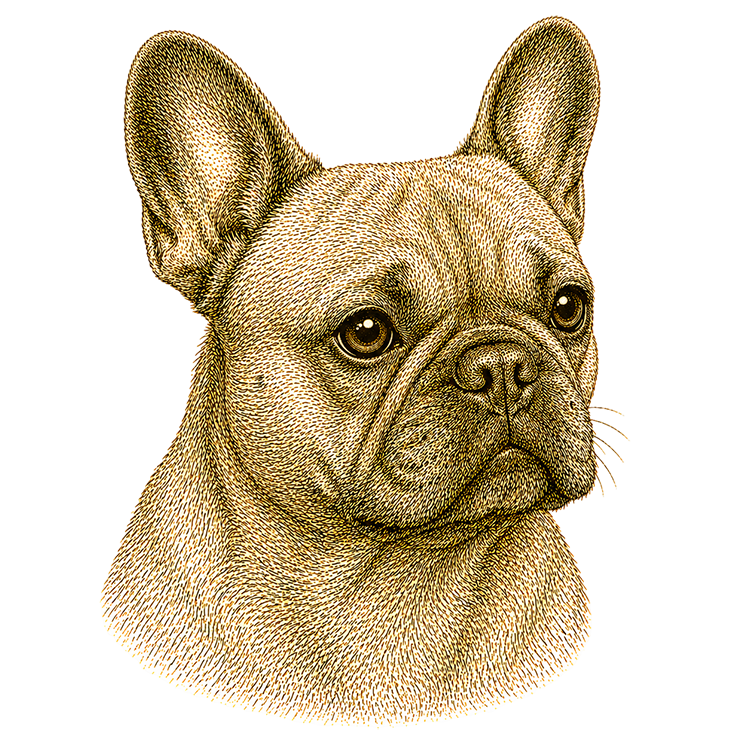
French Bulldog
-
Bred purely as companion dogs with no working function. English lace makers brought miniature Bulldogs to France during the 1850s Industrial Revolution, crossed with unknown local breeds creating the distinctive "bat ears."
By the 1880s, French Bulldogs were popular with Parisian workers before eventually winning over high society. They are a brachycephalic (flat-faced) breed, which means their shorter muzzle can come with breathing challenges, heat sensitivity, and limits on how much exercise they can comfortably manage.
Their breeding created dogs motivated by companionship and food rewards, not work drive or biddability. They're independent thinkers requiring good reasons to cooperate, not dogs who follow commands from eagerness to please.
-
Breeding origins create specific training challenges. What motivated them yesterday won't necessarily work today, and they'll ignore requests that don't make sense to them. Common challenges include:
Selective cooperation: Responding perfectly in familiar environments, completely ignoring identical commands elsewhere. Training success depends entirely on finding motivation that matters to your specific Frenchie - and that changes constantly.
House training slower than expected: Bladder control develops gradually. Frequent outdoor trips essential, particularly after eating, waking, or sniffing purposefully indoors. Patience required.
Health limitations affect everything: Brachycephalic anatomy means short training sessions (5-10 minutes), constant heat awareness, avoiding overexertion. Swimming requires extreme caution - many cannot swim safely. Training must accommodate genuine physical constraints.
Socialisation critical: Their flat faces limit normal canine communication signals, creating misunderstandings with other dogs. Careful, positive early experiences prevent reactive behaviour developing.
Grooming maintenance: Facial fold cleaning prevents infections. Nail trimming. Regular vet checks for breathing issues, spinal problems (IVDD common), eye conditions.
My approach: Foundation training focuses on discovering what actually motivates your Frenchie and keeping sessions playful, short, and engaging. Gentle tug games, food puzzles, and hide-and-seek work better than repetitive drilling which fails spectacularly.
Read the complete French Bulldog training & temperament guide here
Or, book a free fifteen-minute callto discuss whether a French Bulldog suits your lifestyle honestly, including health realities. -
Hanover hills –steep climbs add up quickly. Fine occasionally, not ideal as a daily route.
Queen’s Park - shaded and flatter, especially useful in warmer weather.
The Lanes - lots of feet, bags and hands at face level can overwhelm smaller dogs.
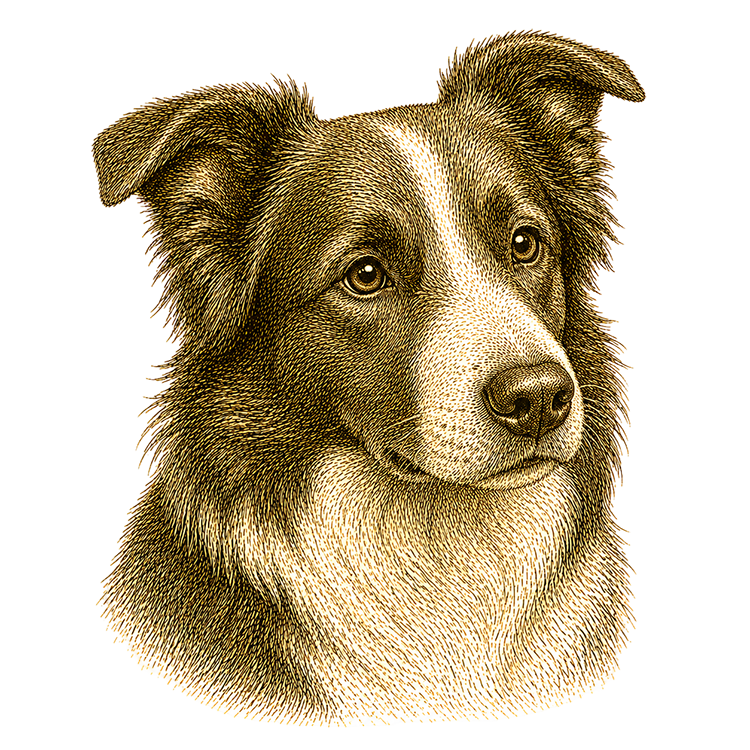
Border Collie
-
Bred on the Scottish-English borders for herding sheep across vast, challenging terrain. That required dogs capable of working independently for hours, making split-second decisions about livestock movement, and maintaining intense focus regardless of weather or distraction. The famous "eye" - that intense, unblinking stare - was bred specifically for controlling sheep through pressure and movement.
Two distinct types exist: working lines (bred from active farm dogs, extremely high drive, relentless stamina) and show lines (bred for appearance, somewhat calmer but still high energy). Working-bred Border Collies are among the most demanding dogs to own - they weren't designed as pets and many struggle in non-working homes without appropriate outlets.
Widely considered the most intelligent dog breed, but that intelligence was engineered for independent problem-solving with livestock, not obedience or companionship. They're thinking dogs who need convincing reasons to cooperate and can become destructive, obsessive, or reactive when under-stimulated.
Built for all-day work covering enormous distances. A gentle walk around the block is effectively meaningless to a Border Collie's exercise needs.
-
Brilliant, tireless, and intense. That intelligence becomes a problem when there's no job to channel it into. Border Collies are not beginner dogs - they're working athletes requiring experienced, committed handling.
Adolescence (six to eighteen months): Herding behaviours often intensify - chasing cars, bicycles, joggers, children. Recall deteriorates around movement. Reactivity toward dogs or people may emerge. Obsessive behaviours can develop - ball fixation, shadow chasing, light chasing. Noise sensitivity often increases.
Exercise requirements: Working lines often need 3+ hours daily combining physical work and mental challenge. Show lines need 2-3 hours minimum. For most Border Collies, this isn't really negotiable - under-exercised dogs are at high risk of developing serious behavioural problems. Running, agility, herding, scent work, and advanced training provide appropriate outlets. Walks alone are insufficient.
Mental stimulation essential: They need jobs. Without structured work, they'll create their own - usually obsessive behaviours like herding shadows, chasing reflections, or fixating on balls. Trick training, puzzle toys, and scent games provide some mental work but can't replace proper physical exercise.
Herding instinct management: Chasing moving objects is genetic. Children running, cars passing, cyclists riding all trigger herding drive. Management and training from puppyhood reduces but doesn't eliminate this behaviour. Some Border Collies cannot live safely with young children due to herding intensity.
Noise sensitivity: Relatively common in this breed. Thunder, fireworks, sirens, and household noises can cause significant anxiety. Early, positive exposure helps but doesn't guarantee immunity.
Separation anxiety: Not breed-defining but relatively common, particularly in dogs who've had constant company or insufficient independence training. Prevention must start day one.
Obsessive behaviours: Ball obsession, shadow chasing, light chasing, and tail chasing can develop in under-stimulated or over-aroused Border Collies. Prevention through appropriate exercise and avoiding repetitive ball throwing is easier than treatment.
Socialisation critical: Without early, positive exposure to dogs, people, and environments, Border Collies can become fearful, reactive, or defensive. Their intensity and focus make socialisation particularly important.
Grooming: Moderate. Regular brushing required, particularly during seasonal shedding. Working dogs may need more frequent maintenance.
My approach: Foundation training during eight to twenty weeks helps channel hereditary herding drive into appropriate outlets and significantly reduces the risk of obsessive patterns and reactivity before they establish. I use their intelligence and work ethic through play-based problem-solving and impulse control games.
For teenage Border Collies showing regression, my Terrible Teens programme addresses recall, arousal management, and herding behaviour redirection.
Read the complete Border Collie Training & Temperament guide here
Or book a free fifteen-minute call to discuss your Border Collie’s specific challenges and strengths.
-
Brighton seafront (i360 stretch) - bikes, runners and wheels trigger motion sensitivity quickly. Not a switch-off walk.
South Downs (grazing areas) - Collies clock livestock instantly and can fixate fast, so keeping them close matters here.
Wild Park - quiet, open and mentally demanding. Best used for recall, searching or structured walking rather than free roaming.
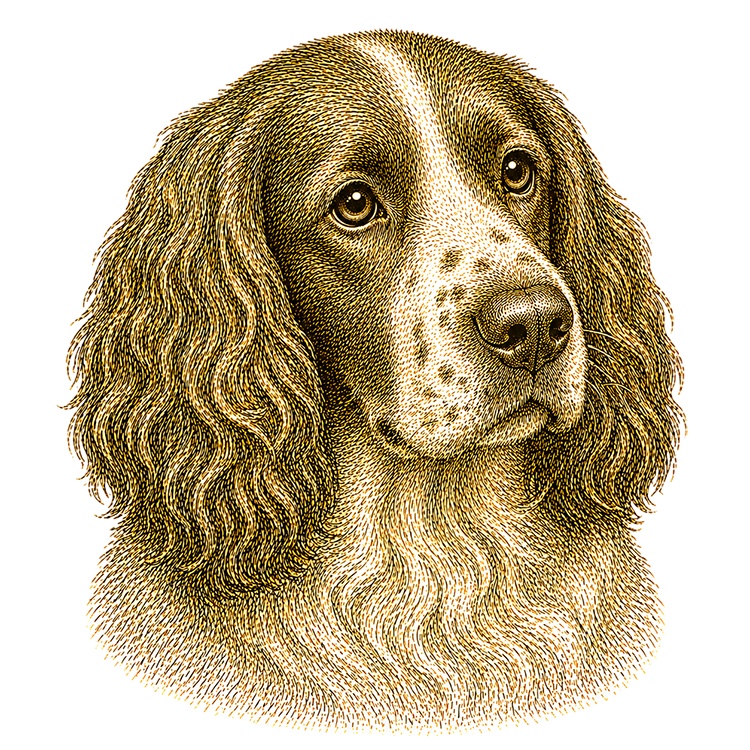
Springer Spaniel
-
Bred as flushing Spaniels - working ahead of guns to spring game birds from cover into flight. That "springer" action is genetic, hardwired into dogs who move fast, cover ground relentlessly, and work independently while checking back with handlers.
Two dramatically different types exist: show-bred (heavier, longer coat, calmer temperament) and working-bred (athletic, lighter build, relentless stamina, serious drive). This split is more pronounced than most breeds - a working Springer from field trial lines needs 2-3 hours daily minimum, while show-bred lines might manage with less but still require proper work.
Built for stamina, problem-solving, and covering rough terrain for hours. Their eagerness to please makes them genuinely biddable when properly exercised, but under-stimulation turns cooperation into frustration quickly.
-
Intelligent, enthusiastic, and tireless when engaged - difficult, destructive, and vocal when bored. The difference is largely about whether their working breed requirements are met.
Adolescence (six to eighteen months): Selective hearing on recall despite earlier success. Jumping up with serious spring. Lead pulling once muscle develops. Resource guarding around food or toys can emerge. Noise sensitivity may intensify.
Separation anxiety: Common in this velcro breed. They bond intensely and struggle when left too early or suddenly. Prevention starts day one with gradual independence training - expect three to six months commitment minimum.
Exercise requirements: Working-bred lines need 2-3 hours combined physical and mental work daily. Show-bred lines need 1.5-2 hours minimum. Under-exercised Springers become destructive, hyperactive, and unmanageable. Scent work, retrieving games, and long woodland walks channel their flushing drive productively.
Grooming: Daily brushing essential. Professional grooming every 8-10 weeks. Ear cleaning to prevent infections common in drop-eared breeds.
My approach: Foundation training during eight to twenty weeks significantly reduces the risk of separation anxiety and resource guarding before they develop. I use their natural hunting drive through play-based scent games and retrieving that feels like work to them. For teenage Springers showing regression, my Terrible Teens programme addresses recall, arousal management, and impulse control.
Read the complete Springer Spaniel Training & Temperament guide here
Or, book a free fifteen-minute callto discuss your Springer's specific challenges.
-
Stanmer Park open ground - plenty of space to move without immediately tipping into hunt mode. Easier to keep things flowing.
Devil’s Dyke paths (not the scrub) - great for controlled freedom, but once they’re in thick cover, attention goes out the window.
Sheepcote Valley - long grass and scent mean you need to keep dogs closer and more focused here, especially when they’re young.
Your free guide to understanding breed types
Your dog wasn't bred to live in a modern home. They were bred for specific work - herding sheep, hunting game, guarding livestock, or sitting on laps. Those genetic blueprints still run the show, which is why your Cocker ignores recall when scent appears, your Staffie pulls like a sled dog, or your Dachshund pretends you don't exist.
This guide breaks down ten breed types - from Gundogs to Terriers to Toy Breeds - explaining what each group was actually bred for, how that shapes behaviour, and what it means for training. Understanding whether your dog is wired for independence, cooperation, or chasing things changes everything about how you work with them.
Genetics isn't destiny, but it's the instruction manual. Training works better when you're working with the wiring, not against it.
Contact me.
david@pupmeister.co.uk
07810 805332