
Breed Spotlight: Staffordshire Bull Terrier Temperament, Training & What They're Really Like
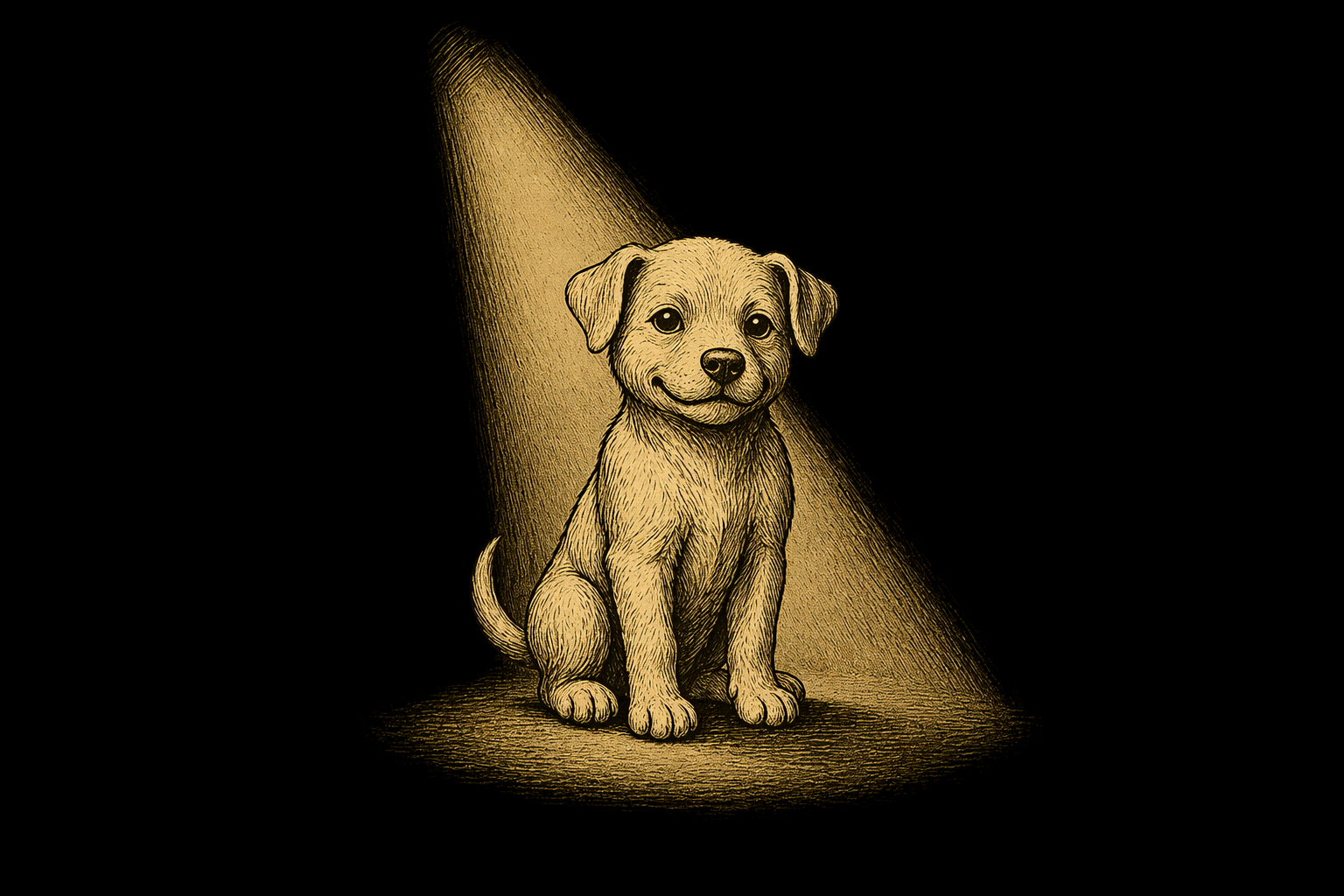
Full disclosure: I'm biased. The Pupmeister logo features a Staffie for a reason - I live with one and I think they're exceptional dogs when matched with the right owner.
That said, this isn't a love letter. It's an honest assessment of what Staffordshire Bull Terriers are actually like, what they need, and whether one might be right for you.
The reputation
Staffordshire Bull Terriers carry baggage. Dangerous. Aggressive. Status dogs. Fighting breeds. The media narrative positions them as unpredictable weapons barely restrained by responsible ownership. Councils ban them, insurance companies discriminate against them, and rental properties turn them away. Some people cross the street when they see one coming.
Meanwhile, they’ve been nicknamed "nanny dogs" - gentle, child-loving, family companions who'd never hurt anyone. Loyal to a fault. Misunderstood angels. The breed's biggest advocates sometimes deny any breed-specific traits at all.
Both narratives are wrong. Staffies aren't ticking time bombs, but they're not Labradors in a blocky package either. They were bred for a specific purpose, and understanding that purpose is essential to understanding the dog.
What they were bred for
Staffordshire Bull Terriers descend from the now-extinct Old English Bulldog crossed with terriers in 19th-century Staffordshire. Bred for Bull-baiting, then when that was outlawed, ratting and dog fighting. Selective breeding created a dog with:
Phenomenal bite strength and jaw endurance - they needed to grip and hold onto much larger opponents. Their jaw anatomy is normal, but their bite force and willingness to hold are phenomenal.
Extreme pain tolerance - a dog that quit when injured was useless in the pit. Staffies were bred to continue despite injury.
High arousal threshold for combat - dog aggression was functionally necessary. Dogs that wouldn't engage weren't breeding stock.
Total human compliance - handlers needed to break up fights, treat injuries, manage dogs in close quarters. Human aggression was ruthlessly bred out. A Staffie that bit its handler was culled.
Compact, muscular build - low centre of gravity, powerful hindquarters, powerfully muscled chest. Built for strength and leverage.
When dog fighting was outlawed, breed enthusiasts pivoted to creating a family companion. They kept the physical traits - the strength, the pain tolerance, the athletic build - but intensified selection for human affiliation and gentleness with children. The modern Staffie is the result: a dog with combat heritage but companion temperament.
This creates a specific combination: immense physical capability with intense human-orientation and sensitivity.
What they're really like
With humans: Staffies are people-obsessed. They want to be on you, near you, involved in whatever you're doing. They're Velcro dogs with the emotional sensitivity to match - they read your mood, they notice when you're upset, they want to be part of your life in an active, physical way.
With children specifically, properly bred and socialised Staffies show remarkable tolerance. The "nanny dog" label is actually quite an accurate one in terms of describing their temperament, although probably not a great idea to actually use them a nannies!. Staffies tolerate poking, climbing, noise, chaos that would make other breeds reactive. This doesn't mean they should be left unsupervised with children (no dog should), but their threshold for rough handling is genuinely high.
With other dogs: Here's where genetics matter. Staffies were bred for dog combat. Modern breeding has reduced dog aggression significantly, but the trait hasn't been eliminated - it's been diluted and variable. Some Staffies are completely dog-social throughout life. Some are selectively social - fine with familiar dogs but reactive to unknown dogs. Some show dog intolerance or same-sex aggression in adolescence.
This isn't about "bad breeding" or "bad owners" - it's genetic variability in a trait that was foundational to the breed's purpose. A Staffie that's dog-reactive isn't defective. They're displaying a breed-typical trait that's been incompletely selected against.
When Staffies do have dog-dog issues, they're usually not about fear. They're about arousal, excitement, and a low threshold for rough play escalating. Combined with their strength and pain tolerance, this creates management requirements even if they're not genuinely aggressive.
Energy and exercise: Staffies are athletic but not manic. They need physical exercise - walks and play (tugs games are a must!). But give them an hour of good exercise and mental stimulation in the morning and they're content to sleep on the sofa until their evening walk. Under-exercised, they become frustrated and destructive. Over-exercised, they just build more stamina.
Intelligence and biddability: Staffies are smart and very trainable - when they're motivated. They're not biddable in the working dog sense. They won't work for the sake of pleasing you. They need a reason to comply: food, play, access to something they want. This isn't stubbornness; it's rational decision-making. If the reinforcement history supports the behaviour, they're reliable. If it doesn't, they'll find something more rewarding.
Physical traits that matter: That strength isn't hypothetical. An adult Staffie pulling hard can drag most handlers. They don't feel pain the way many other breeds do - corrections that would deter other dogs often don't register (not that I would ever advocate ‘correcting’ any breed in the aversive sense). Their arousal builds fast and takes time to come down. They're mouthy - they use their mouths to interact, play, hold things, express excitement.
What they need
Foundation training from day one: A pulling Staffie is a management nightmare. Start in puppyhood, be consistent, use high-value reinforcement. This is the one of the most important skills you'll teach for a harmonious life together.
Reliable recall before adolescence hits: Around 7-9 months, dog-social Staffies sometimes become selectively reactive. If your recall isn't proofed by then, you lose off-lead freedom. Build it strong in puppyhood when they're handler-focused.
Impulse control work: Staffies get excited. That excitement builds fast. Teaching self-regulation - wait at doors, settle on cue, disengage from high-value distractions - prevents that excitement from becoming problematic arousal.
Socialisation with variability in mind: Expose them to dogs, but watch for breed-typical changes in adolescence. Not all Staffies stay dog-social. Some do. You won't know until 12-18 months. Manage accordingly.
Physical and mental stimulation: They need both. Physical exercise burns energy. Mental work (training, puzzle toys, scent work) builds focus and engagement. Under-stimulated Staffies destroy things, pull harder, struggle to settle.
Positive reinforcement methods: This isn't ideology - it's practicality. Staffies don't respond well to aversive methods because their pain tolerance is too high and their handler bond is too important. Corrections often don't suppress behaviour effectively, but they do damage trust. Use what they want (food, play, access) to reinforce what you want.
Management for strength:Secure harnesses, double-clipping in high-distraction environments, physical conditioning so their strength is controlled not wild. Don't rely on your ability to physically restrain them - build training so you don't need to.
Common challenges (and why they happen)
Pulling on lead: Staffies have the muscle structure for pulling. It's what their shoulders, chest, and hindquarters were built to do. Add excitement about the walk and you get a dog who pulls hard. This isn't dominance or wilfulness - it's genetics plus reinforcement history. Every step forward while pulling teaches them pulling works.
Solution: Start foundation loose-lead work in puppyhood. Be absolutely consistent. Use high-value food. Make not-pulling more reinforcing than pulling. It takes time because you're working against their physical design, but it's completely trainable.
Dog reactivity in adolescence: Some Staffies develop selective dog reactivity around 8-14 months. This looks like lunging, barking, high arousal around other dogs - especially unfamiliar dogs or dogs they can't reach. It's often not aggression; it's frustrated greeting or rough play invitation. But the intensity and strength make it problematic.
This happens because adolescent hormones interact with breed genetics. The dog who was friendly with everyone at 6 months is now more selective. It's not a training failure - it's developmental.
Solution: Manage distance, build focus on handler, teach calm around dogs they can't greet, consider whether they need to greet strange dogs at all. Some Staffies are happiest with a small circle of dog friends and handler focus in public.
Mouthiness and rough play: Staffies use their mouths. A lot. As puppies they're landshark-level mouthy. As adults they play rough - grabbing, holding, wrestling. With other dogs this can work fine (if the other dog is sturdy). With humans it needs clear boundaries.
This isn't aggression - it's normal Staffie interaction style. But it needs managing because their strength makes it problematic.
Solution: Teach bite inhibition young. Redirect to toys. Reinforce calm greetings. Never reinforce mouthing, even in play. Be consistent about what's acceptable.
Separation anxiety or over-attachment: Because Staffies are so people-focused, they struggle with being alone more than independent breeds. Under-prepared, they develop genuine separation distress.
Solution: Build alone-time tolerance from puppyhood. Don't make departures dramatic. Reinforce calm alone behaviour. Create positive associations with your absence. This is preventative work, not something you fix after it's a problem.
The Dog's Honest Truth
A Staffordshire Bull Terrier is right for you if:
You want a dog that's actively involved in your life. Staffies don't do "low-maintenance companion who sleeps in the corner." They want to be next to you, part of what you're doing, physically close. If you want a dog for genuine companionship and you like that Velcro-dog intensity, they're brilliant.
You're prepared to train consistently from day one. Loose-lead walking, recall, impulse control - these aren't optional extras. They're essential management skills for a strong, arousal-prone, people-focused dog.
You can provide appropriate exercise and stimulation. Not marathon exercise - Staffies aren't endless-energy dogs - but consistent daily physical activity and mental engagement. An hour-ish of good work per day and you'll have a content, settled dog.
You're realistic about dog-dog relationships. Some Staffies are social with all dogs for life. Some become selective in adolescence. If your lifestyle requires guaranteed dog-friendliness in all contexts, a Staffie is a risk. If you're flexible about whether they have dog friends or stay handler-focused, they're fine.
You value loyalty, sensitivity, and physical affection. Staffies bond intensely. They read your emotional state. They want contact. If you want a dog that's genuinely emotionally connected to you, they deliver this in spades.
A Staffordshire Bull Terrier is wrong for you if:
You want an independent dog. Staffies left alone for long periods develop behavioural problems. They're not suited to owners who work full-time with no dog care arrangements. They need company.
You can't commit to early, consistent training. If loose-lead walking and recall aren't priorities, you'll have a 18kg dog who drags you everywhere and can't be trusted off-lead. That's not a happy life for either of you.
You need guaranteed dog-park socialisation. Some Staffies are fine. Some aren't. If your lifestyle centres on off-lead dog parks and dog cafés, and you can't accept that your dog might not enjoy or be suitable for these contexts, choose a breed with more reliable dog-tolerance.
You expect a low-maintenance breed. Staffies need training, exercise, mental work, and management. They're not difficult dogs, but they're not autopilot dogs either.
You're renting and can't find Staffie-friendly accommodation. This is reality: breed discrimination exists. If your housing situation is precarious, adding a banned-breed dog creates genuine problems. That's not the dog's fault, but it's a practical consideration.
Staffordshire Bull Terriers are exceptional companion dogs for the right owner. They're loyal, affectionate, trainable, and genuinely people-focused. They're also strong, arousal-prone, and carry genetic traits that create management requirements. They're not dangerous. They're not universally gentle. They're a specific tool that, in the right hands, makes a brilliant family companion.
The question isn't whether Staffies are good dogs - they are. It's whether you're the right match for what they need and what they bring. If you are, you'll have one of the most devoted, emotionally connected, physically affectionate dogs you could ask for. If you're not, you'll struggle with a strong, under-exercised, frustrated dog who's bonded to you but can't function in your life.
They're not for everyone. But for the right someone, they're exceptional. For a deep dive into the all things Staffie, check out my Staffordshire Bull Terrier Complete Training and Behaviour Guide. If you’re still undecided, explore my breed guide. Or book a consultation for Staffie-specific training support.