
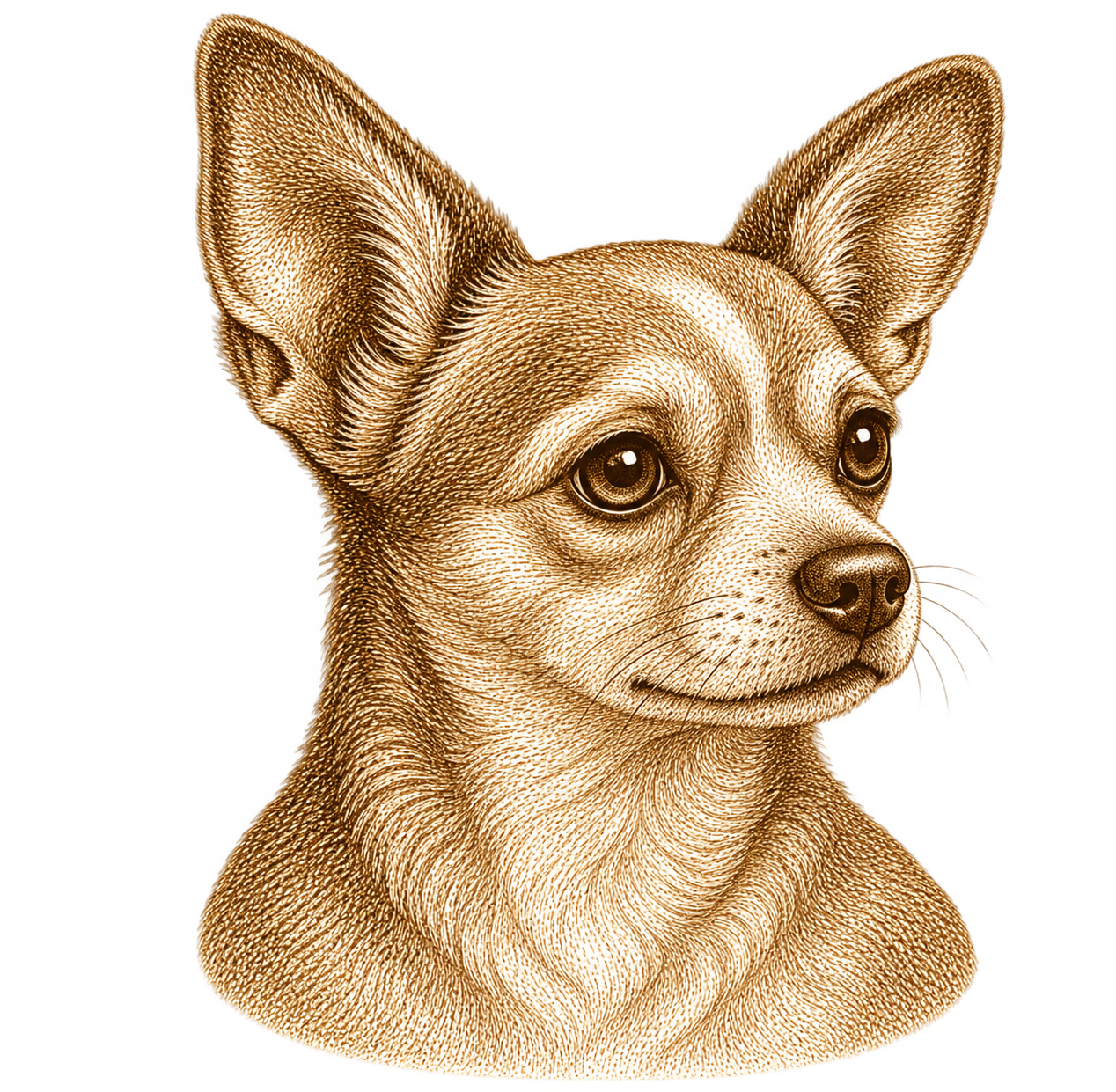
Chihuahua Training & Temperament: Breed Guide
The Chihuahua takes its name from the Mexican state of Chihuahua, where American visitors came across these tiny dogs in the mid-1800s and began bringing them home. Their roots are thought to go back much further, to the Techichi, a small companion dog kept by the Toltec people of ancient Mexico.
The Chihuahua was never bred for a working role. It has always been a companion, and that shows in how closely it attaches to its people, often one person in particular. It comes in two coat types, smooth and long, and is the smallest breed recognised by the Kennel Club.
In practice you can expect a bright, alert and loyal little dog who keeps a close eye on everything going on around them. That watchfulness can tip into wariness of strangers, and a dog this small has good reason to be cautious about a world full of giants, so helping them feel safe and confident is at the heart of training a Chihuahua.
Training approach for Jack Russells
-
Chihuahuas are quick, clever learners who respond well to tiny, tasty rewards and short sessions. Because they're so small, it's easy to rely on physically moving them about, and being lifted or handled without warning can leave a Chihuahua feeling it has no say in what happens to it.
Reward-based training gives them a way to make good choices for themselves, which builds the confidence this breed often needs. A Chihuahua who feels in control of a situation is far less likely to feel the need to bark, back away or snap to protect themselves.
-
Confidence with people comes first. Let visitors and strangers ignore your Chihuahua and allow them to approach in their own time, rewarding calm curiosity, and avoid passing them from lap to lap before they're ready.
Give them plenty of time on four paws. Walking, sniffing and exploring on the ground builds confidence and fitness, and means carrying them can be saved for when it's genuinely needed.
Handling and tooth brushing deserve regular practice from the start, since small mouths are prone to crowded teeth and dental problems. A few seconds at a time with treats is plenty to begin with.
Toilet training needs patience and a plan for bad weather, because a tiny dog who dislikes cold, wet grass may decide the kitchen floor is preferable. A sheltered toilet spot and generous rewards outside help a great deal.
-
Start gentle handling, name games and short sessions in your puppy's first few days home. Socialisation matters most in the first few months, so plan calm, positive experiences with different people, sounds and places, always at a distance and pace your puppy is comfortable with.
Adolescence usually begins from around six months. You may notice more barking or wariness during this stage, so keep up the confidence work and avoid overwhelming them while they find their feet.
Q & A
-
Not at all. They're bright and food-motivated, and they can learn everything from recall to tricks as readily as a bigger dog. Small dogs sometimes get less training simply because their behaviour is easier to manage, so treating your Chihuahua's education as seriously as you would a Labrador's makes a real difference.
-
A tiny body loses heat quickly, so feeling cold is a common reason, and a well-fitting jumper on chilly days can help. Chihuahuas also tremble when excited or worried, so notice what's happening around them when it starts. If the shaking is frequent, comes with other signs like lethargy or wobbliness, or you're not sure of the cause, it's worth checking with your vet.
-
They're naturally watchful, and to a dog this size a stranger walking in can feel like a lot. Ask visitors to ignore your dog and let them come over when they're ready, and reward any calm sniffing or settling nearby. A safe spot such as a bed or crate they can retreat to helps them feel less need to see people off.
-
Chihuahuas often form an especially strong bond with one member of the household. Help them spread their affection by having other family members take over feeding, short training sessions and favourite games. This also makes it easier for your dog to cope when their favourite person isn't around.
-
A well-fitted harness is usually the better choice. Toy breeds can be prone to weakness in the windpipe, so taking pressure off the neck makes sense, especially if your Chihuahua pulls or lunges. Keep a light collar on for their ID tag, but clip the lead to the harness.
-
Keep early meetings to calm, gentle adult dogs you know, and let your Chihuahua watch larger dogs from a comfortable distance before getting any closer. Step in if a bigger dog is too boisterous, since even friendly play can be frightening or risky at this size. Over time, positive experiences help them stay relaxed around bigger dogs.
Is a Chihuahua right for you?
-
You'd like a small, devoted companion who'll stay close by your side, and your home is fairly calm, with adults or older children. You're happy to put real time into building their confidence with people and other dogs, and you enjoy shorter walks with plenty of time to sniff and explore.
-
You have young children, since a dog this small can easily be hurt by an accidental fall or squeeze, and may snap if frightened. If you want a dog who'll greet every visitor with enthusiasm, a more naturally outgoing breed may suit you better. Regular tooth brushing and dental care are also part of owning a Chihuahua, so it's worth being ready for that commitment.
If you're in Brighton and Hove and want structured guidance for training your Chihuahua, my Puppy Foundation and Teen Reset programmes can help. Or check out my free Puppy Primer or Terrible Teen Survival guides for a practical starting point.