
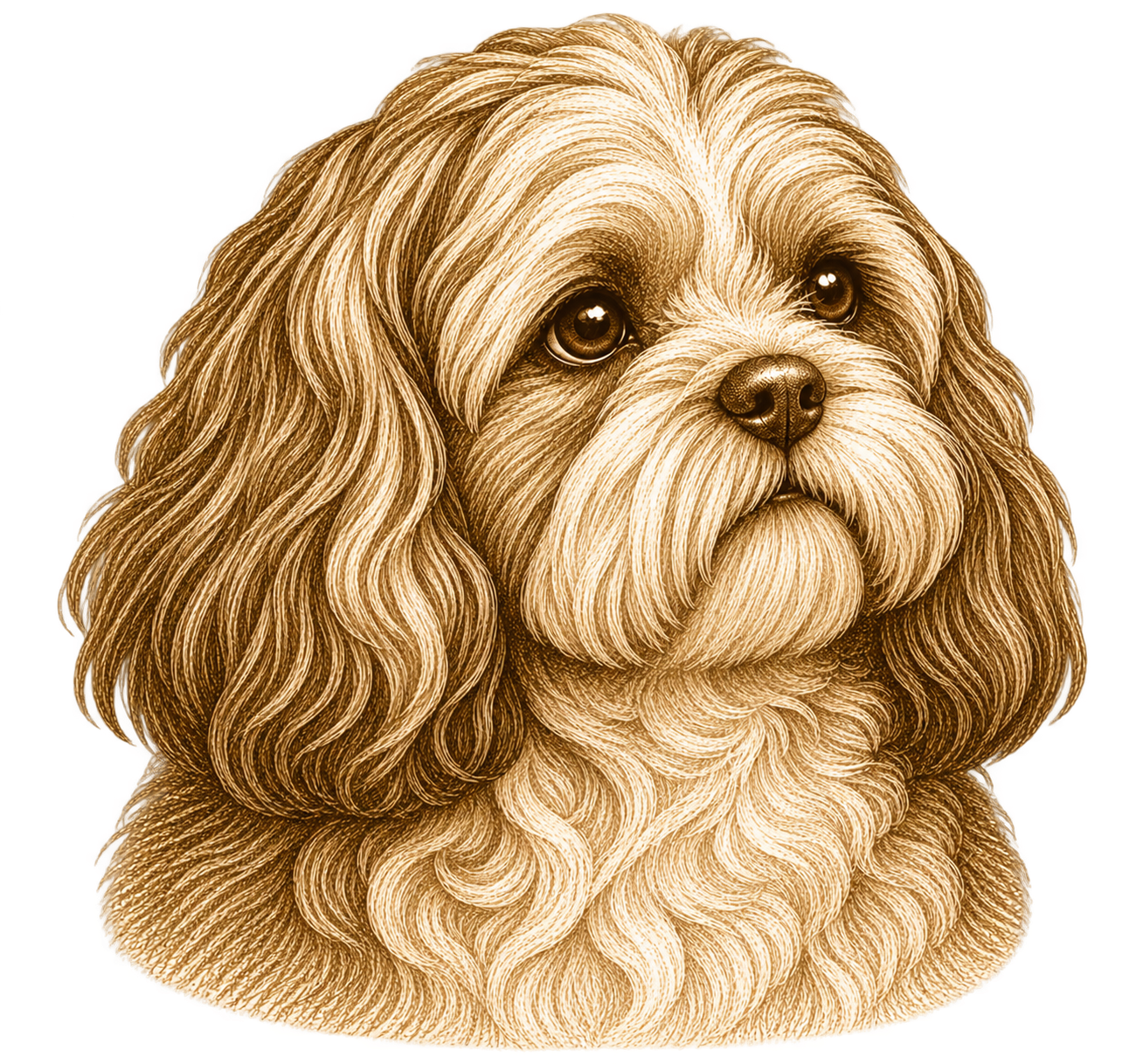
Shih Tzu Training & Temperament: Breed Guide
The Shih Tzu's name means "little lion" in Chinese, and for centuries these dogs lived as pampered companions in the Chinese imperial palace. Their ancestors are thought to have come from Tibet, and the breed was refined at court, where the Empress Dowager Cixi was among its best-known keepers. The first Shih Tzus arrived in England in the 1930s.
They were never asked to herd, hunt or guard. Their only job was to keep people company, and the breed has been shaped around that for hundreds of years, giving you a friendly, outgoing little dog who usually likes visitors, adapts happily to city life and wants to be wherever you are.
Shih Tzus also have a streak of independence, and they can be quite good at deciding what they will and won't do. Add a short muzzle, prominent eyes and a long, continuously growing coat, and you have a breed whose training is as much about comfortable handling and good habits at home as it is about cues.
Training approach for Shih Tzus
-
A Shih Tzu who doesn't see the point of something will often simply decline to take part, so motivation is everything with this breed. Tasty rewards, warm praise and short, fun sessions give them a reason to join in, and they're perfectly capable learners once they're on board.
Pressure or harsh handling tends to make a Shih Tzu dig their heels in, and it can also make grooming and face cleaning much harder later on. Keeping training positive protects their trust in your hands, which matters a great deal for a dog who needs so much regular care.
-
House training needs a consistent routine and more patience than some breeds, so plan for regular trips outside, a pen or crate when you can't supervise, and generous rewards for getting it right.
Make handling a daily habit. Shih Tzus need their face, eyes, ears and feet looked after, and a dog who's comfortable having their face wiped and coat brushed is far happier at home and at the groomer.
Use a harness for walks. Their short muzzle and prominent eyes make pressure on the neck worth avoiding, and a harness is more comfortable for a small dog who might pull towards a new friend.
Keep exercise and training sessions gentle in warm weather, as the short muzzle makes it harder for them to cool down.
-
Begin house training, gentle handling and short training games from your puppy's first day home. Socialisation matters most in the first few months, and Shih Tzu puppies tend to enjoy meeting people, so focus on calm, positive experiences with a wide range of sights, sounds and surfaces.
Adolescence usually starts from around six months. You may find your Shih Tzu becomes more selective about responding, so make rewards worth their while and keep sessions short.
Q & A
-
Shih Tzus have a reputation for taking a while to get the hang of it, and a small dog can have an accident in a quiet corner without anyone noticing. Stick to a predictable routine of trips outside after sleeping, eating and play, go out with them so you can reward them the moment they finish, and use a pen when you can't watch them. Puppy pads can blur the message about where to go, so it's worth phasing them out as soon as you can.
-
They can certainly seem it. A Shih Tzu has no working background urging them to follow instructions, so they'll weigh up whether something is worth their effort. Find the rewards your dog really values, keep sessions brief and upbeat, and stop while they're still enjoying it.
-
Start with a gentle touch to the cheek or chin followed by a treat, then gradually build up to wiping around the eyes and mouth with a soft, damp cloth. Keep sessions very short and stop before your dog starts pulling away. Teaching a chin rest, where they place their chin in your hand when they're ready, gives them an active say in the process.
-
That's down to how much time you have. A full-length coat looks beautiful but needs daily brushing to stop it tangling, while a shorter puppy cut is far easier to manage at home. Either way, they'll need regular trips to the groomer, and hair around the eyes needs keeping tidy or tying up in a topknot so they can see clearly.
-
Their short muzzle makes it harder for them to cool down, so warm days need care. Walk them early in the morning or later in the evening, keep play gentle, and make sure they always have shade and fresh water. Noisy breathing, heavy panting or reluctance to keep going are signs they need to rest somewhere cool.
-
It's an unpleasant habit, but it's a fairly common one in dogs, and Shih Tzus are often mentioned as one of the breeds prone to it. Clear up promptly after your dog, especially in the garden, and call them to you for a treat as soon as they've been to the toilet so that coming back becomes the habit. If it starts suddenly or comes with other changes, mention it to your vet.
Is a Shih Tzu right for you?
-
You want a sociable, affectionate companion who's happy in a flat or a busy household and enjoys gentle walks more than long hikes. You're willing to brush regularly, book in with a groomer every few weeks and build face cleaning into your daily routine.
-
You're after an active partner for long runs, hikes or hot summer days out, since the Shih Tzu's short muzzle makes that hard work for them. If you'd rather not spend time on daily grooming and eye care, a lower-maintenance coat will suit you better.
If you're in Brighton and Hove and want structured guidance for training your Shih Tzu, my Puppy Foundation and Teen Reset programmes can help. Or check out my free Puppy Primer or Terrible Teen Survival guides for a practical starting point.