
The Canine Compendium
My ever-evolving library of breed guides
This little corner of the site has become something of a labour of love. It started with Brighton's ten most popular breeds, and then, as I began training a wider mix of dogs and spotting more and more breeds out and about around the city, I found myself adding to it. It's in alphabetical order, so if you're after a Zuchon (a Shih Tzu crossed with a Bichon Frisé), you'll have some scrolling to do… once I've written it.
One day I'd love it to be exhaustive. For now it grows a few breeds at a time, and I've really enjoyed building it. Researching each one has added to my own knowledge, and it's a constant reminder of what a wonderfully diverse bunch the canine community is. (And for the pedants among you, yes, I know quite a few of these are crossbreeds rather than breeds in the strict sense. "Breeds, crossbreeds and designer dogs" was just a bit of a mouthful.)
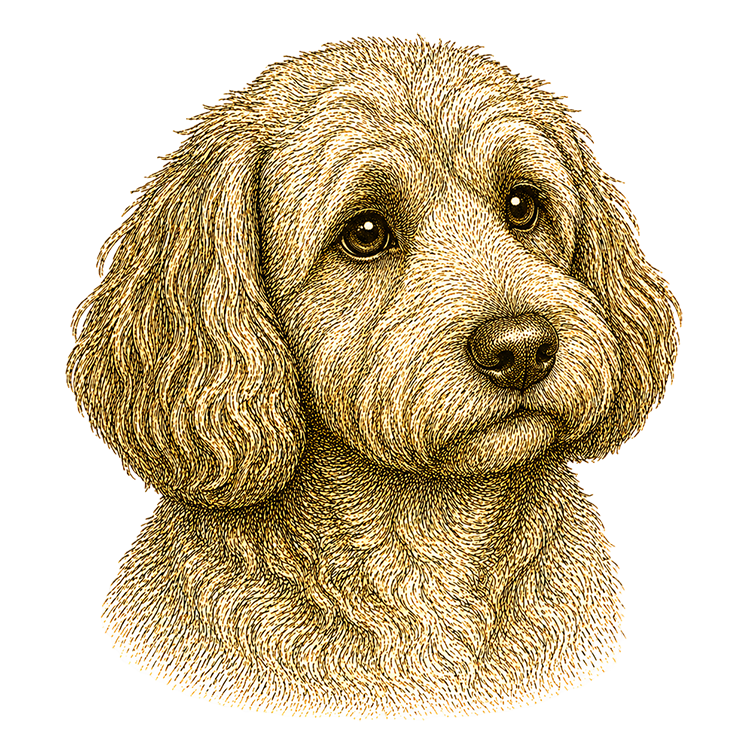
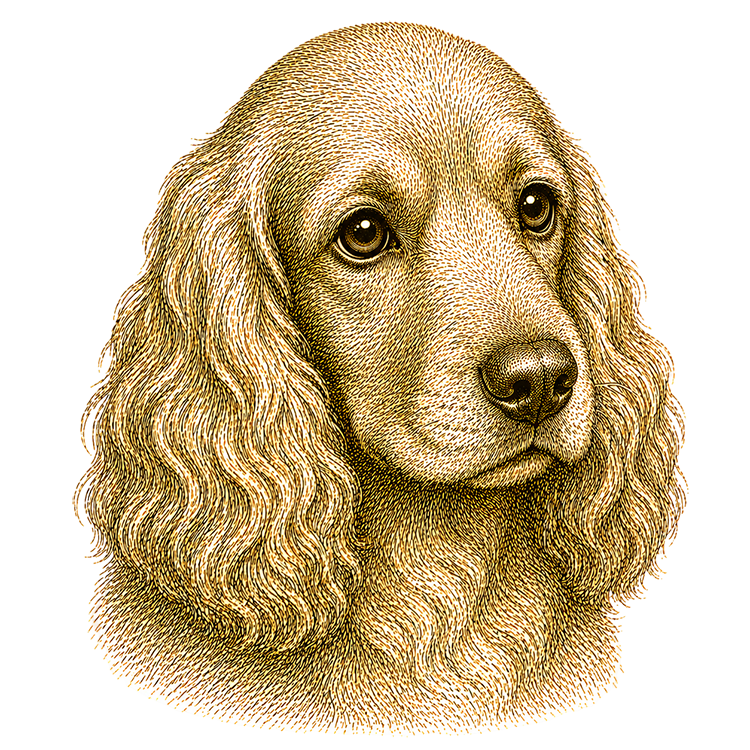
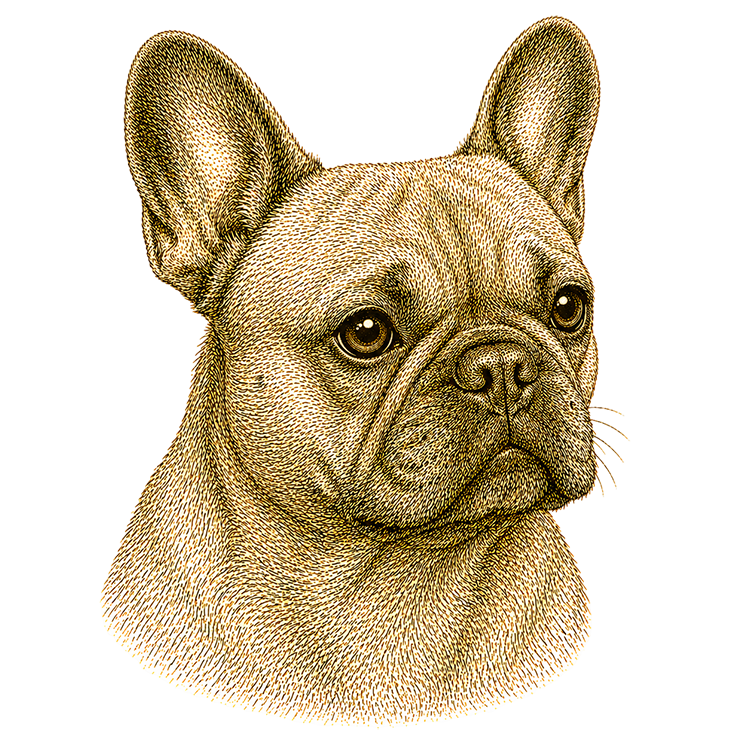
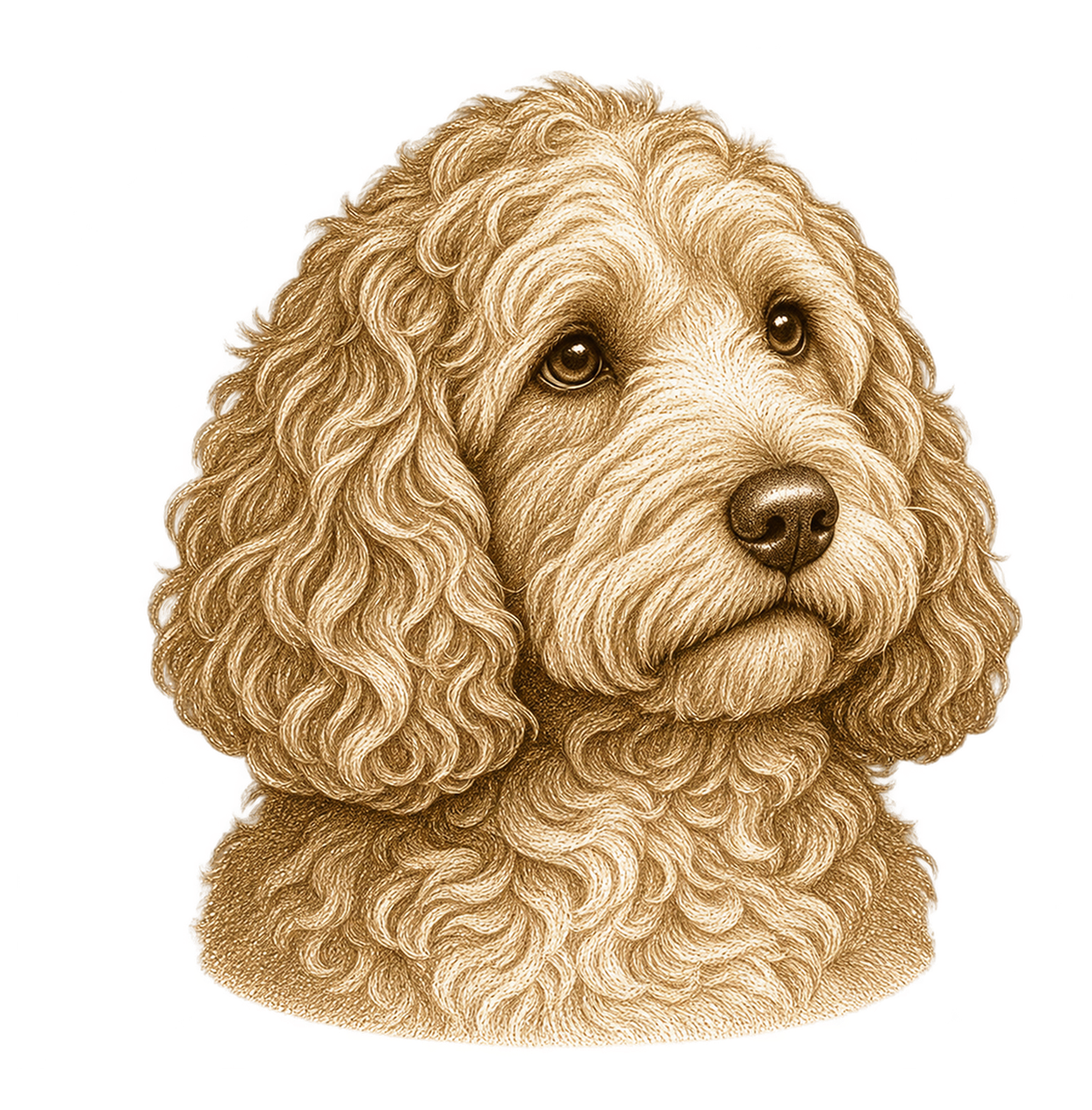
Pick a breed below to find out where they came from, what makes them tick and some tips for training them. Or if you’d like to see a breed added to the Compendium, let me know below.
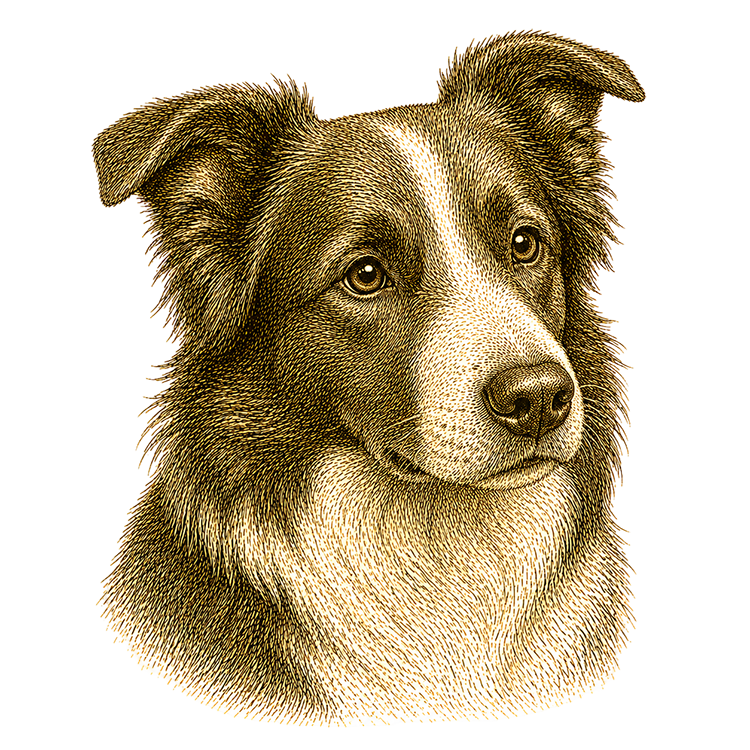
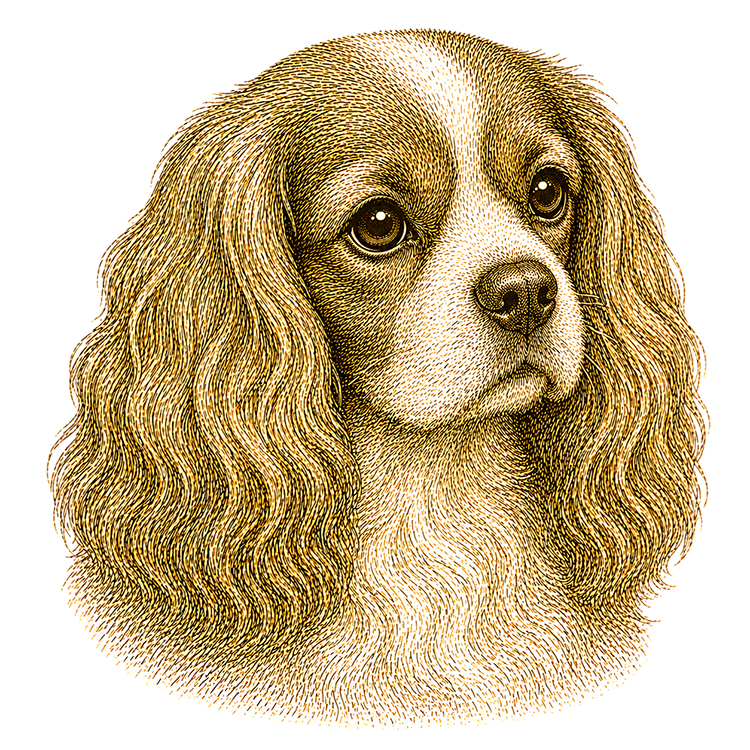
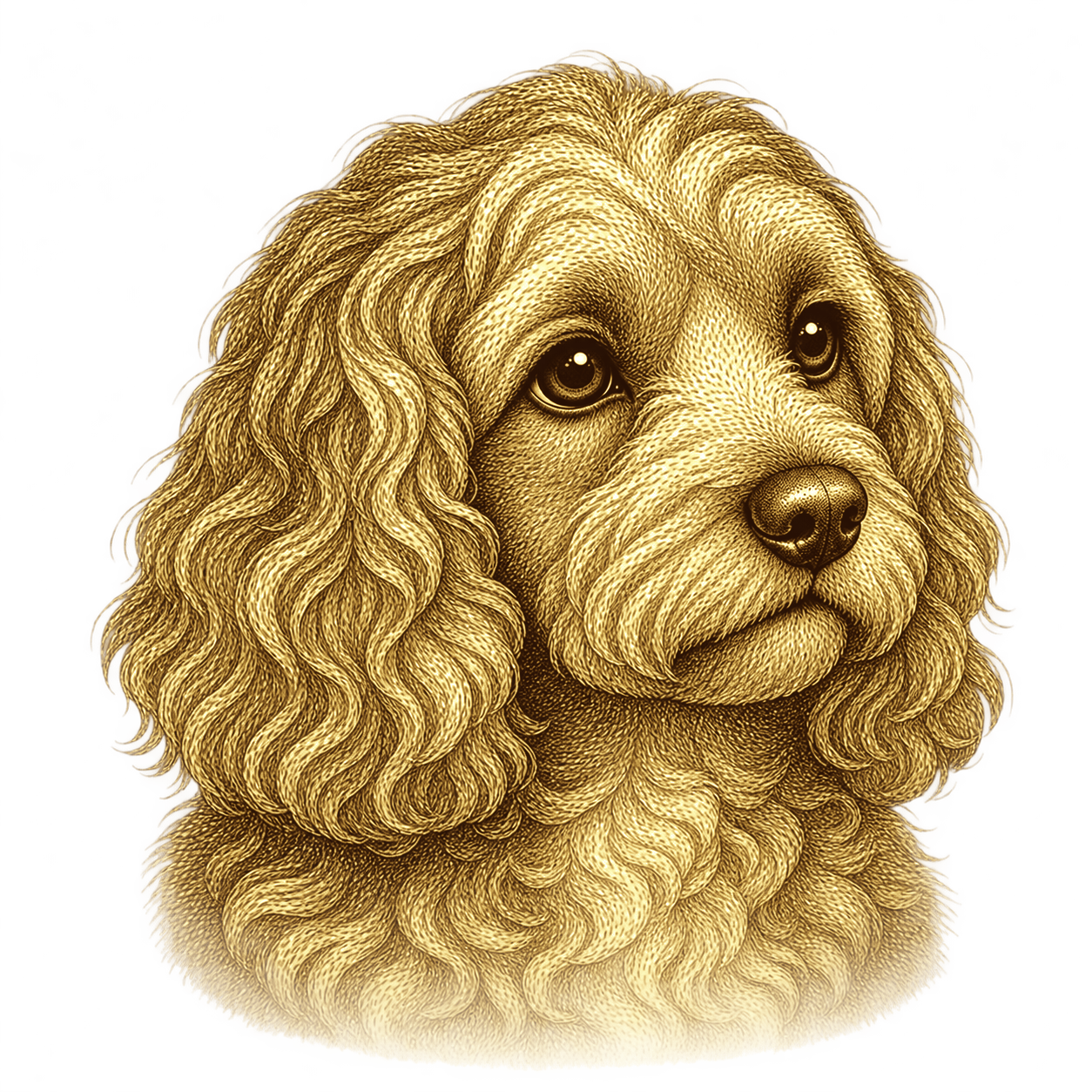
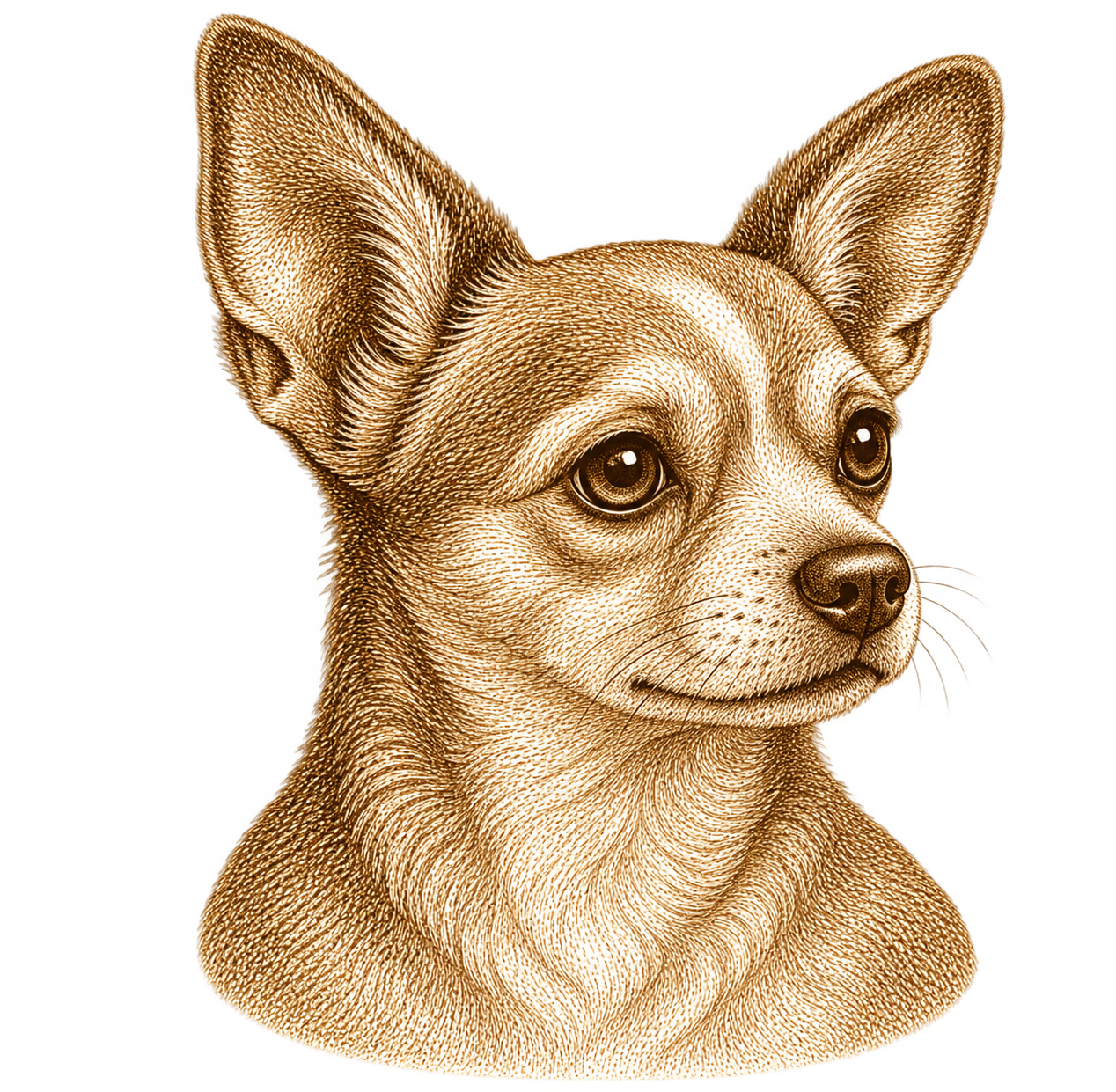
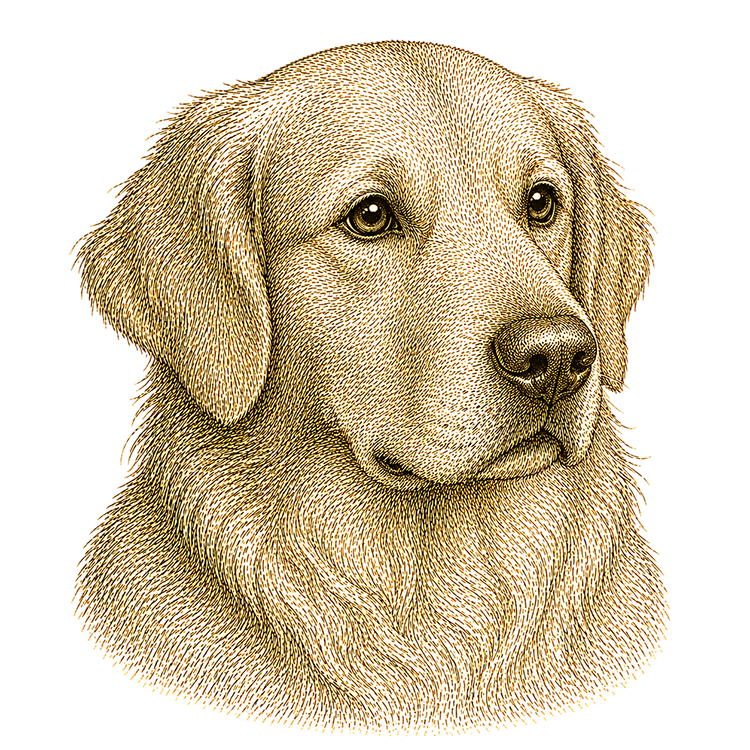

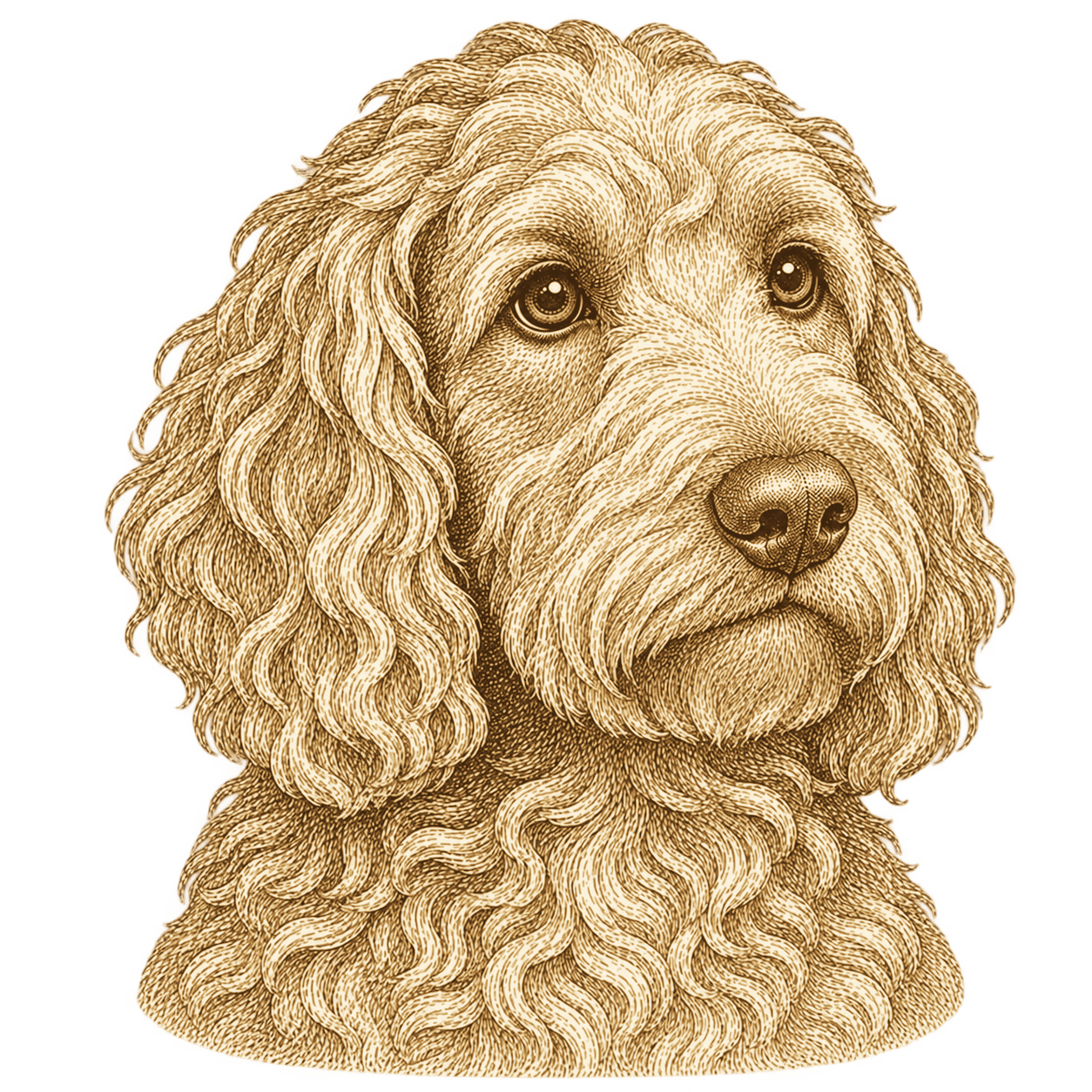
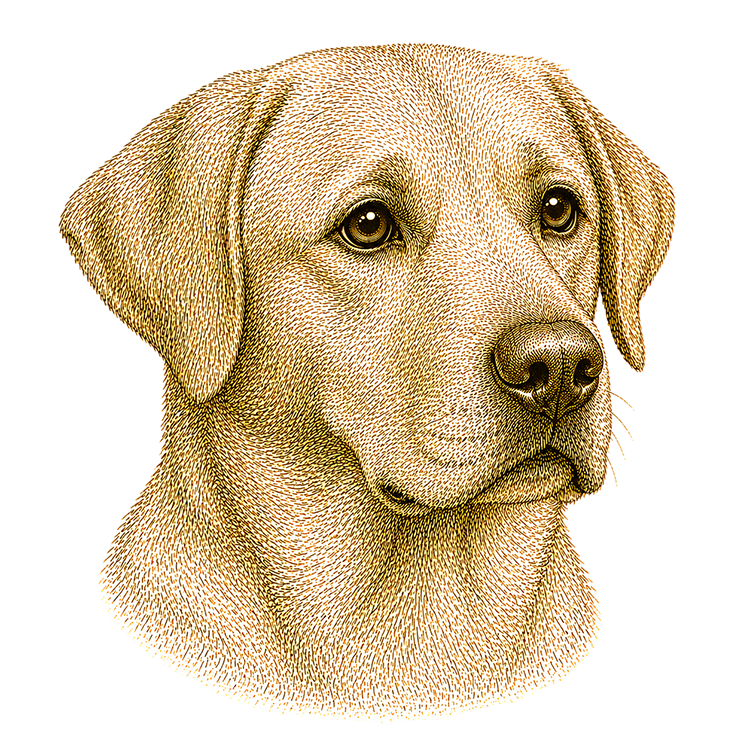
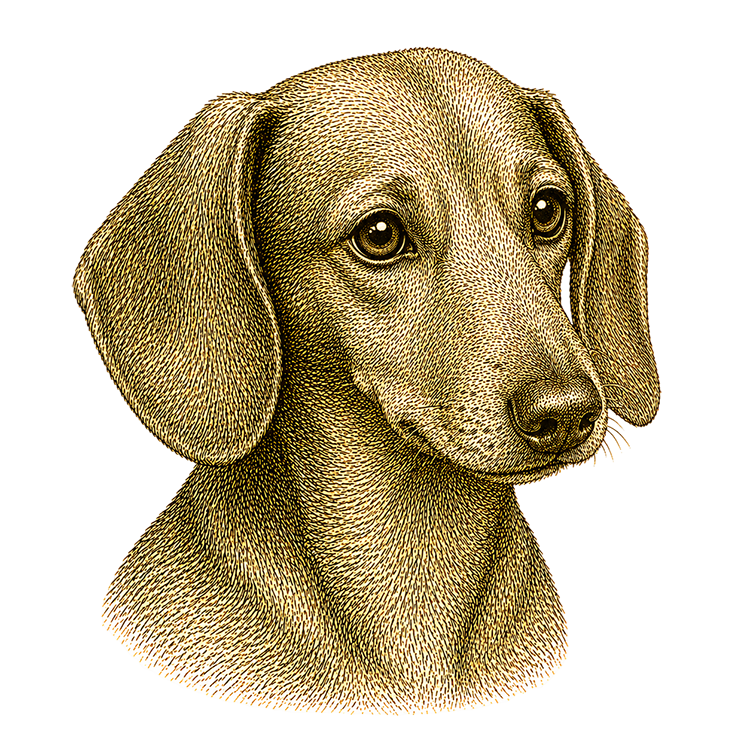
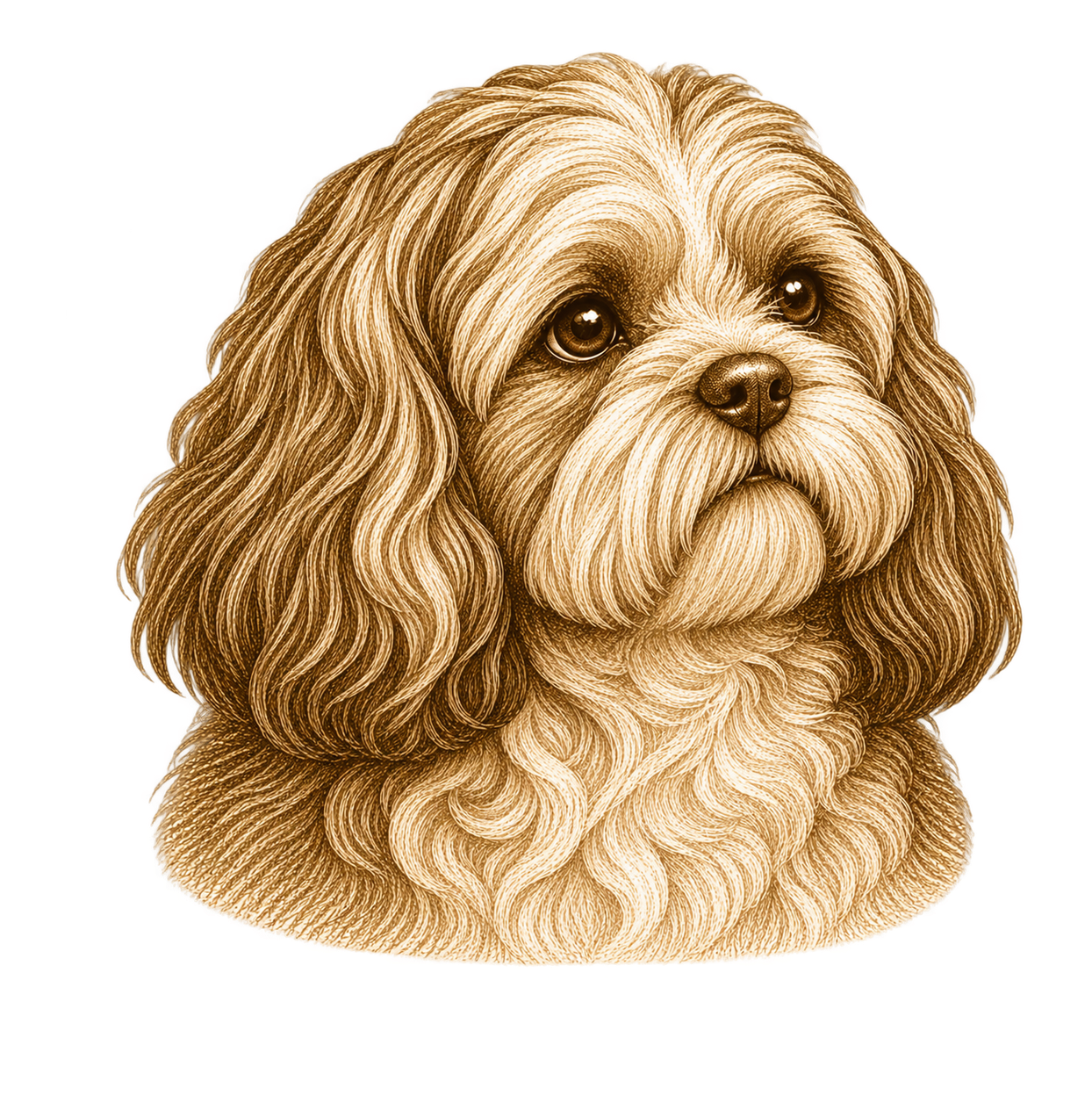
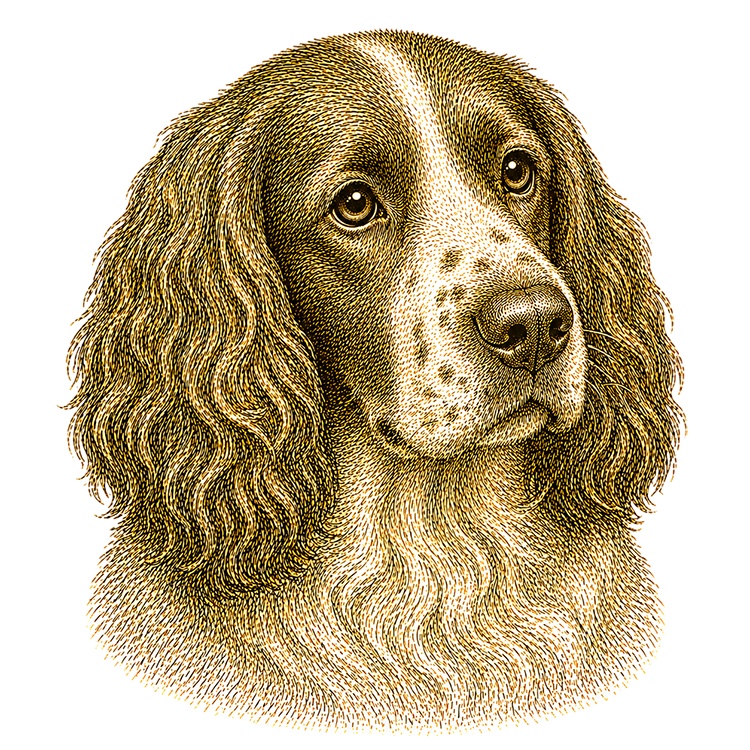
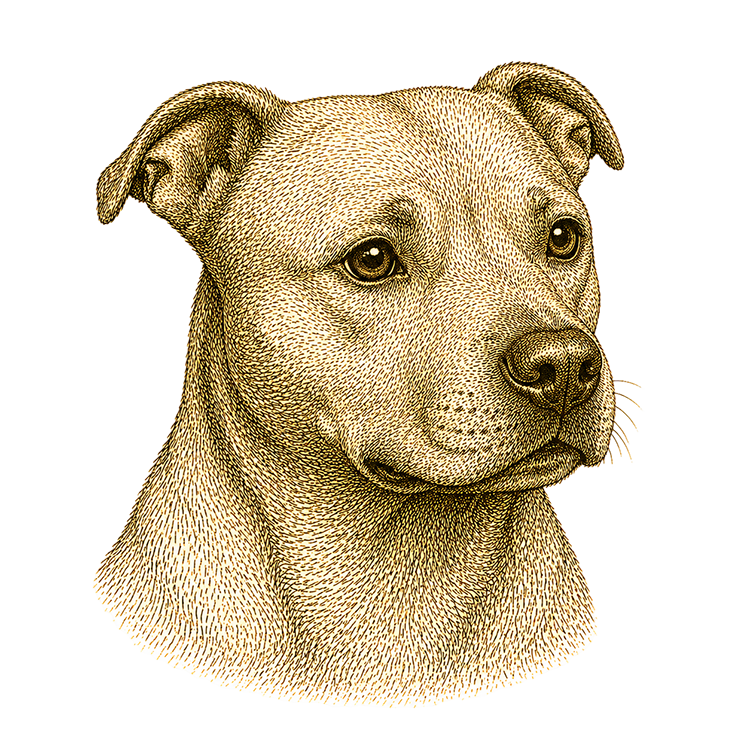
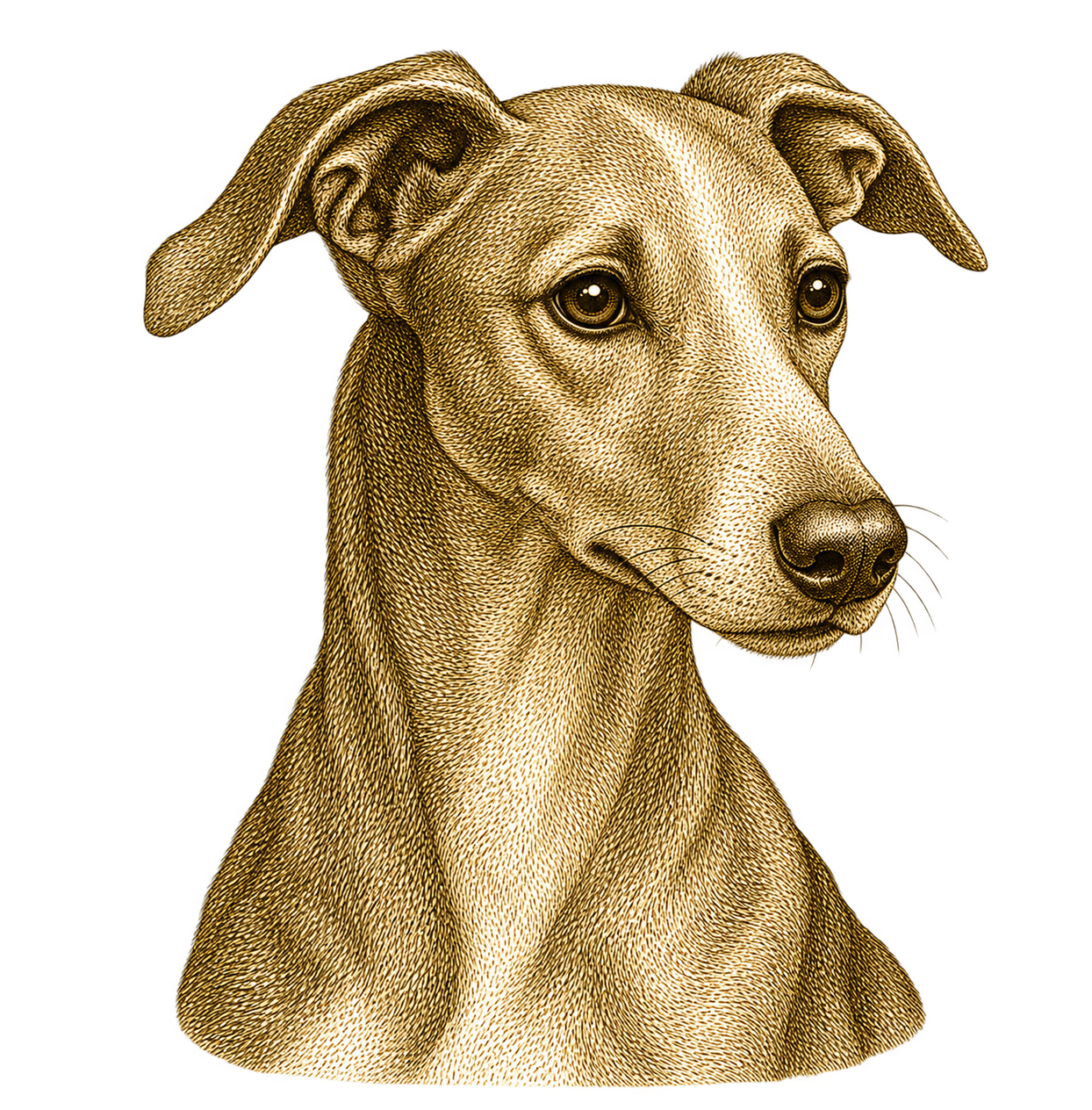
Your free guide to understanding breed types
Your dog wasn't bred to live in a modern home. They were bred for specific work - herding sheep, hunting game, guarding livestock, or sitting on laps. Those genetic blueprints still run the show, which is why your Cocker ignores recall when scent appears, your Staffie pulls like a sled dog, or your Dachshund pretends you don't exist.
This guide breaks down ten breed types - from Gundogs to Terriers to Toy Breeds - explaining what each group was actually bred for, how that shapes behaviour, and what it means for training. Understanding whether your dog is wired for independence, cooperation, or chasing things changes everything about how you work with them.
Genetics isn't destiny, but it's the instruction manual. Training works better when you're working with the wiring, not against it.
Contact me.
david@pupmeister.co.uk
07810 805332